Arrival in Bilbao – 31 May
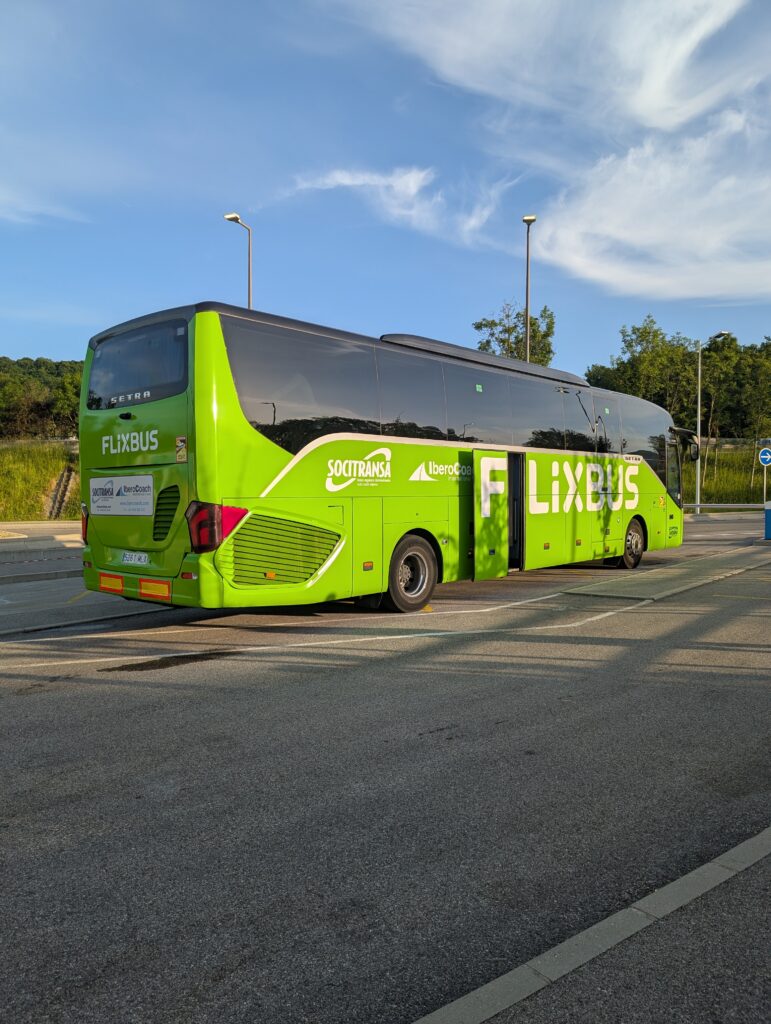
My adventure began with a long journey to Bilbao. The bus ride was supposed to take eighteen hours, but delays stretched it to nineteen. By the time I arrived, I was exhausted.
My accommodation was about twenty minutes away by metro. Travelling this time felt different from my previous Caminos because I wasn’t carrying only a pilgrim’s backpack. Along with my clothes and essentials, I also had my paraglider and my computer. The digital nomad lifestyle comes with its own weight, quite literally.
After dropping off my bags, I went in search of breakfast. It was surprisingly expensive for what it was: avocado and tomato toast with an orange juice. I was still hungry afterwards, but at least I had some energy to continue the day.
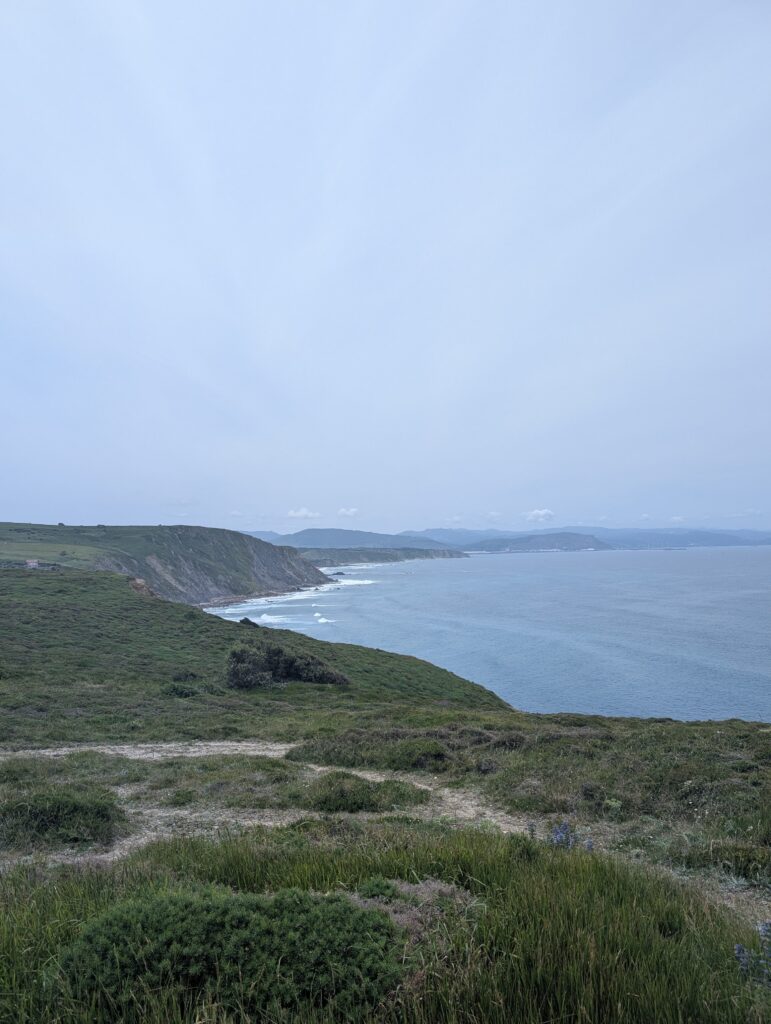
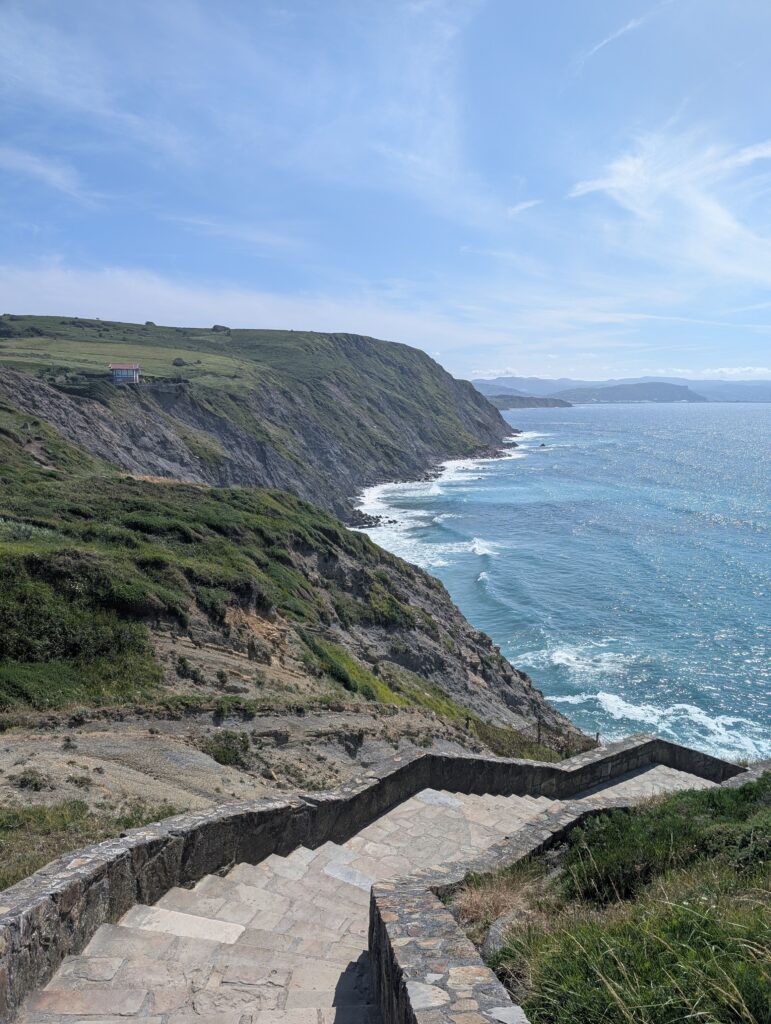
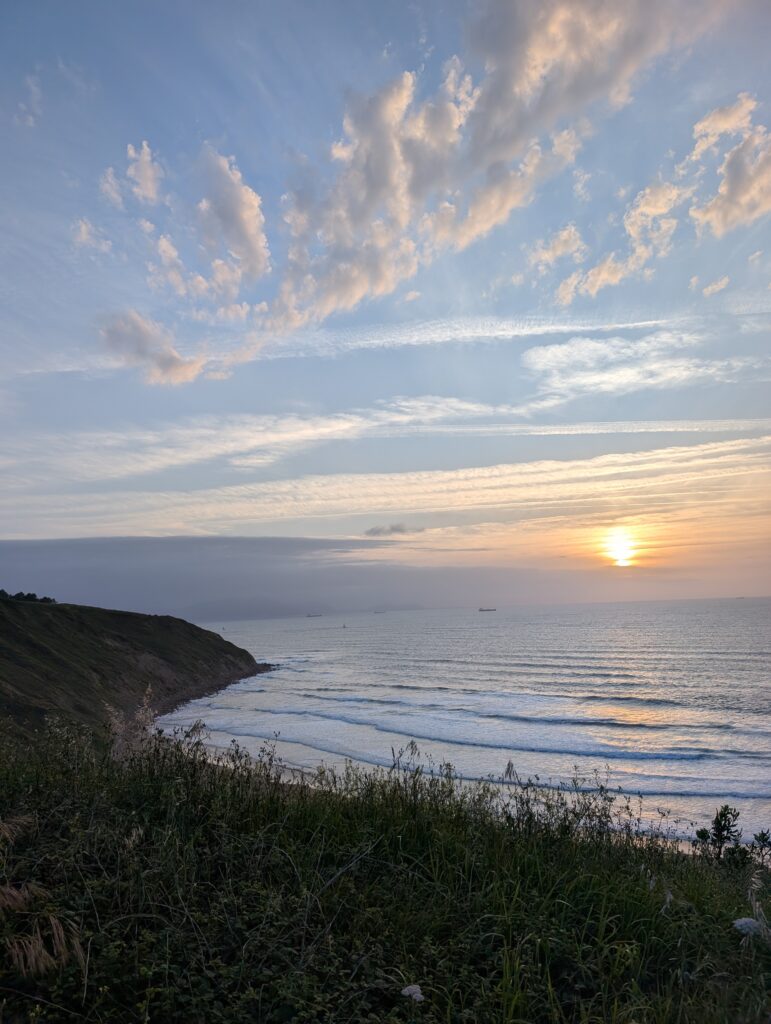
Since I had a free afternoon, I decided to head to the coast near Sopela, at Playa de Barrika. It was a special place for me because Sopela was where I had experienced my first paragliding flight the previous summer.
The coastline was breathtaking. The cliffs dropped dramatically into the sea, and despite my fatigue, I felt grateful to be back. I tried to rest for a while in the sun, but I underestimated the heat. At first, I only had a slight headache. By evening, it had become much worse.
When I finally returned to my accommodation—a beautiful villa dating from 1910—I felt completely drained. My room was small but private, and I immediately felt at peace there.
Unfortunately, the headache became unbearable. I ended up being sick and spent the rest of the evening lying down, unable to do much else. Meanwhile, I tried to solve another problem: what to do with my paraglider while I walked the camino. Since I planned to return to Bilbao the following week, carrying it with me wasn’t an option. Eventually, I found a solution through an app called Nannybag. For about five euros a day, I could leave my paraglider at a hostel in Bilbao city centre for the week.
The night was difficult. I didn’t eat dinner and mostly focused on resting. But by the next morning, I already felt much better and ready to finally begin the Camino.
Day 1: San Sebastián to Zarautz – 22 km
After recovering from my difficult first night in Bilbao, I finally set off to begin the Camino del Norte.
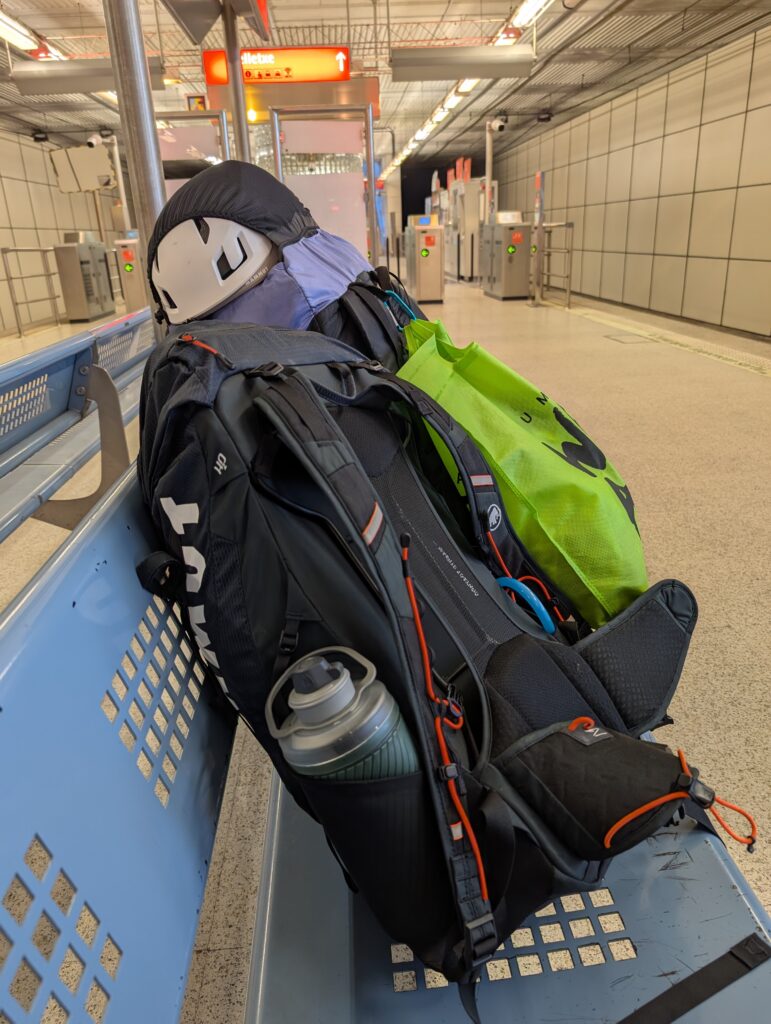
The morning started with taking the bus to San Sebastián. Before boarding, I had left my paraglider at a hostel in Bilbao through a luggage-storage service. Carrying both a paraglider and a laptop on the camino simply wasn’t realistic. As much as I loved the idea of combining flying and walking, some compromises had to be made.
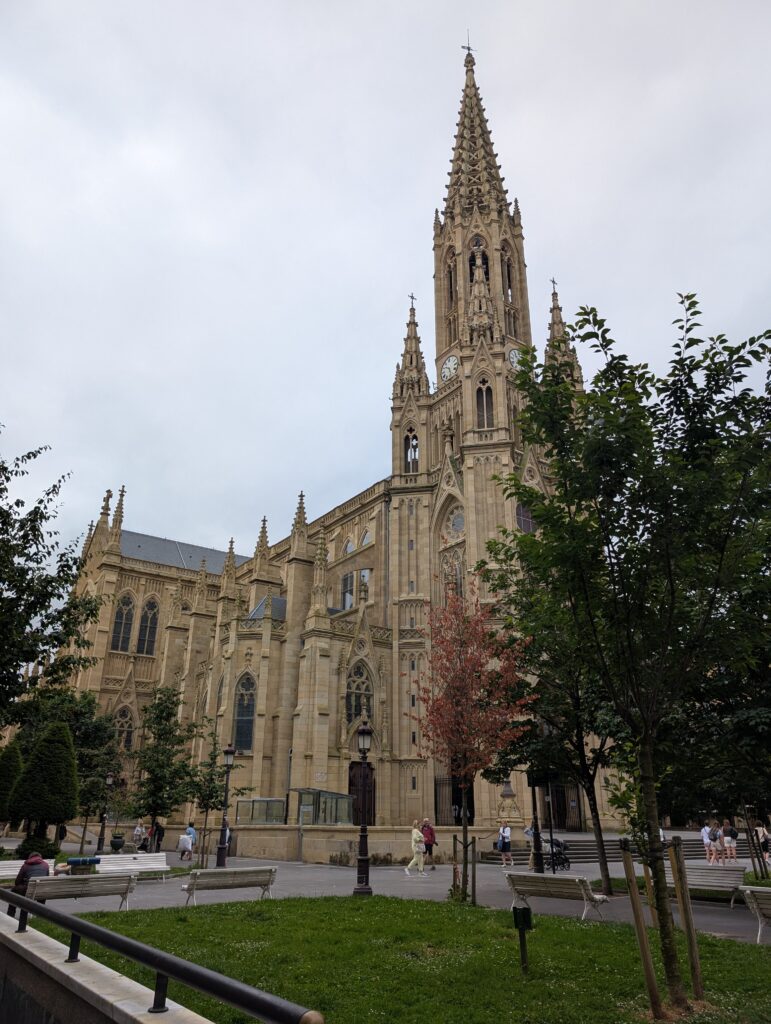
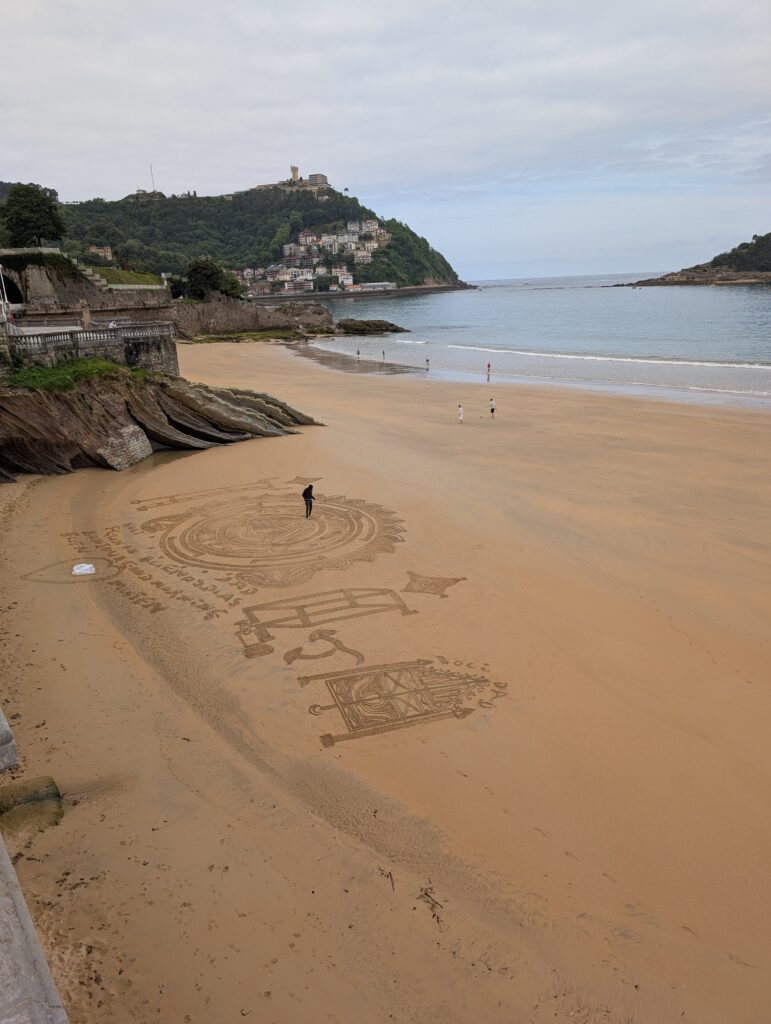
The bus was late, of course, and I arrived in San Sebastián around 9:20 a.m. I found a café, had breakfast and a much-needed coffee, then headed to the cathedral to collect my first stamp on my credencial. Inside the cathedral, I met a German girl who was also preparing to walk the camino. She would only start the following day, but we found the camino together and walked a short distance side by side before parting ways.
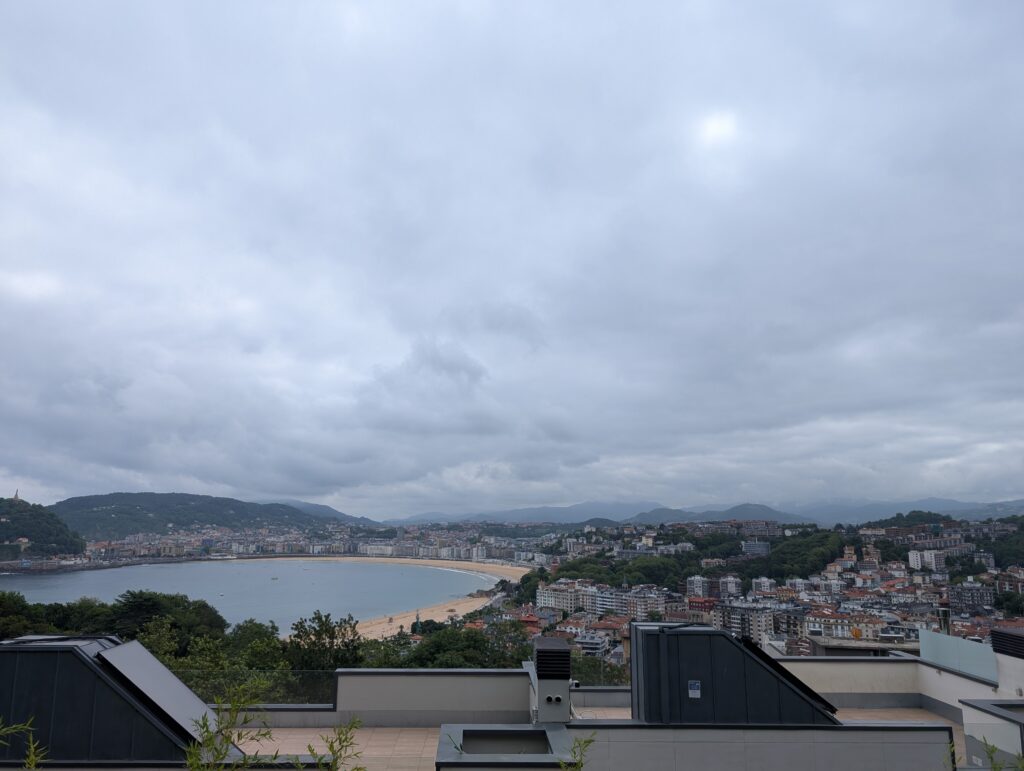
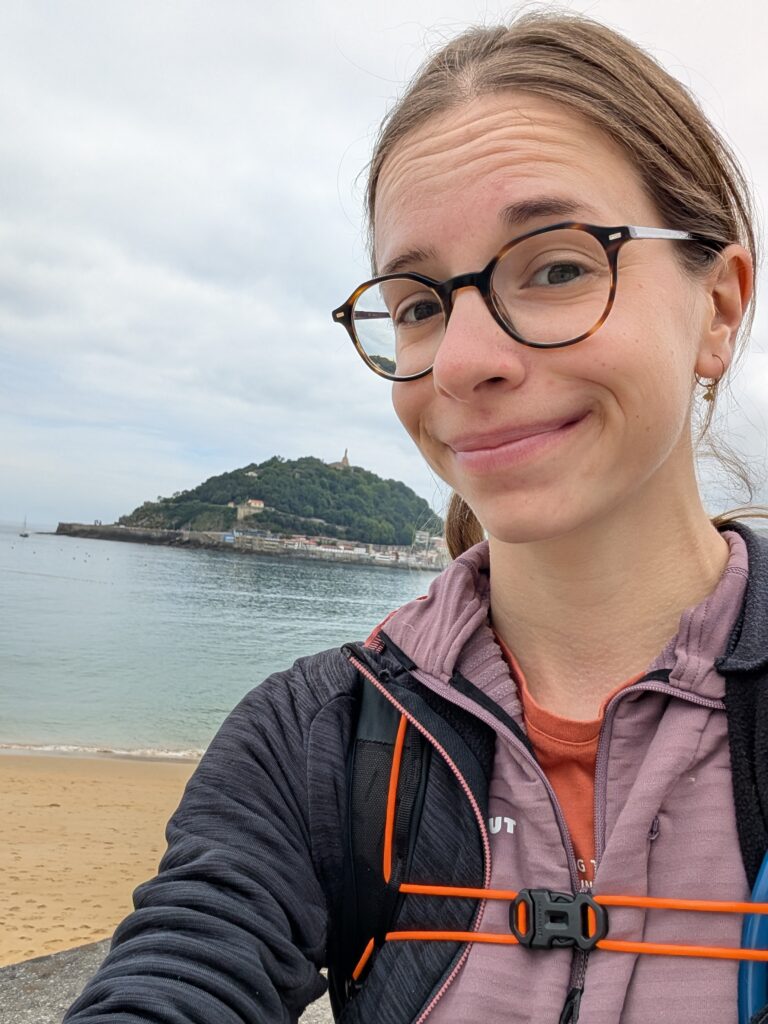
The camino wasted no time testing my legs. Just after leaving San Sebastián, the path climbed steeply towards Monte Igueldo. The ascent felt endless, especially after the long bus journey and the sleepless night before. Yet every step was rewarded with increasingly spectacular views over the city, the bay and the beach. Looking back, San Sebastián appeared almost unreal beneath the morning light.
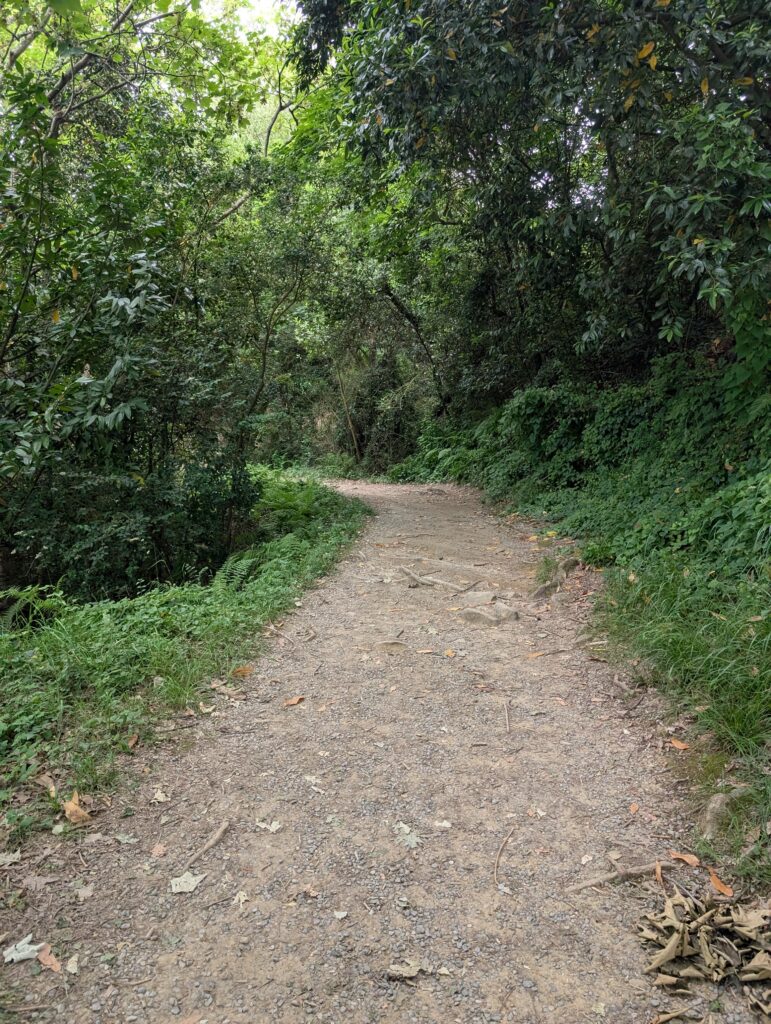
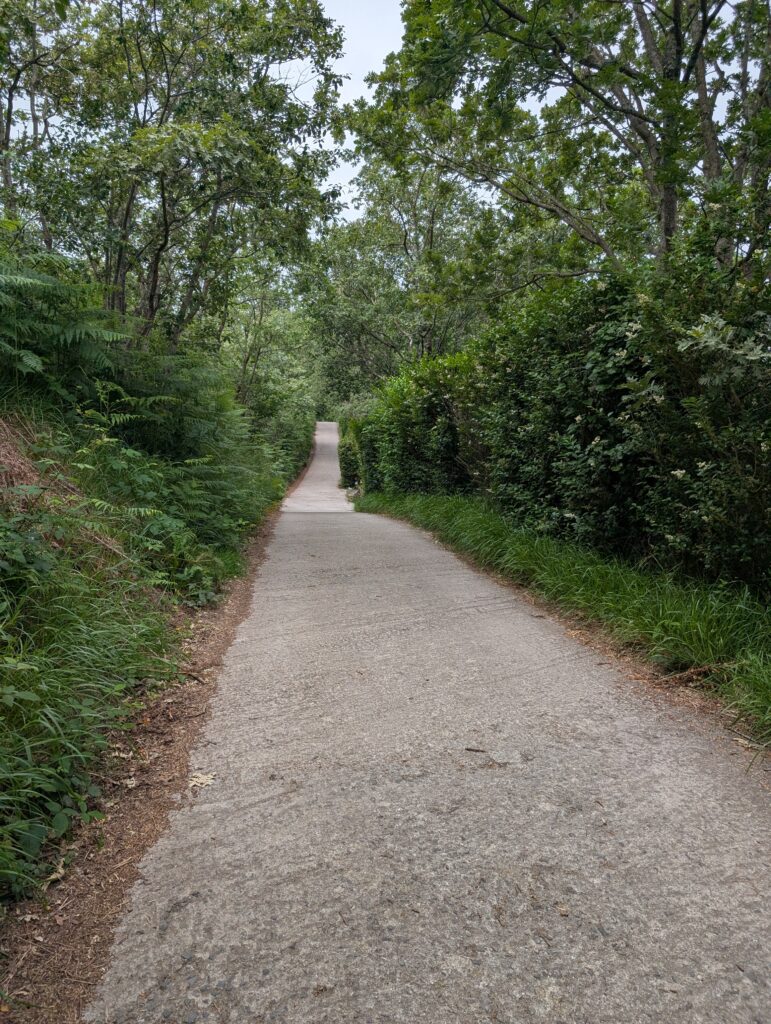
Once past the climb, the trail entered a long stretch of forest and coastal paths. For kilometres, I walked alone, accompanied only by the sound of my steps and the occasional birdsong. The scenery was magnificent, but there was one small problem: there was nowhere to stop.
I had started walking around 10:30 a.m., and by early afternoon I was desperately looking for somewhere to sit down, have a drink and eat something. Although I enjoyed the solitude, the lack of cafés or villages made this first etapa feel surprisingly long.
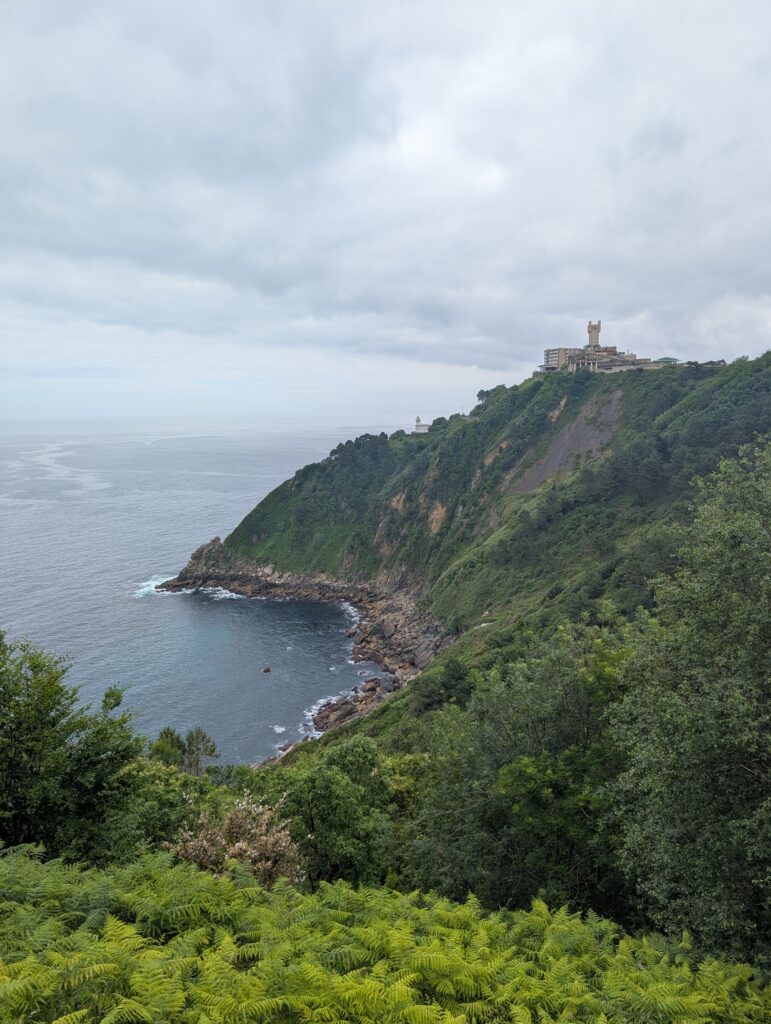
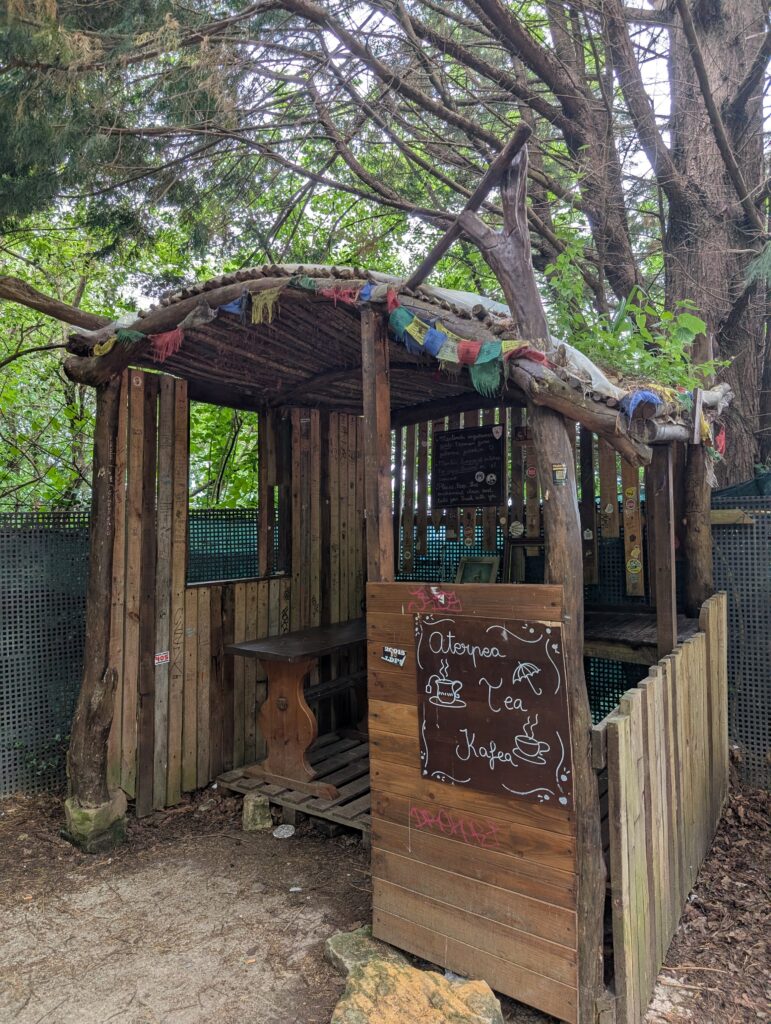
At one point, I came across a small donativo stop hidden along the trail. They offered coffee, tea, juice and a few snacks. It was a welcome relief. There were even rooms available, and honestly, I was so exhausted that I briefly considered staying there for the night. But I had already booked accommodation in Zarautz, so I continued.
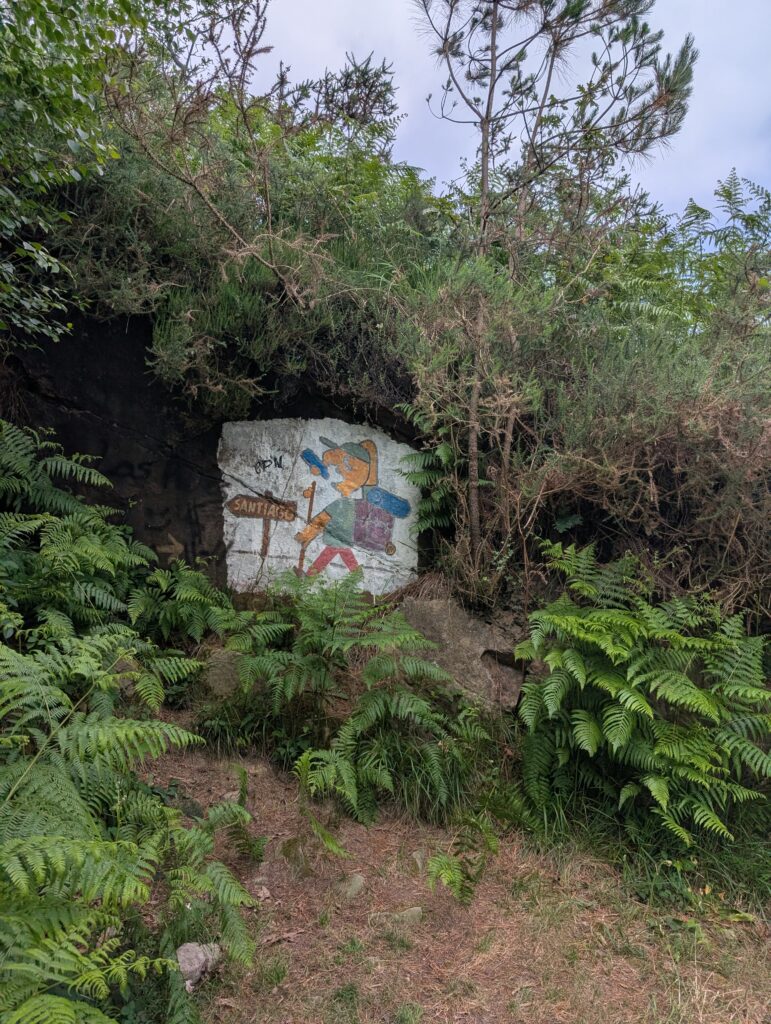
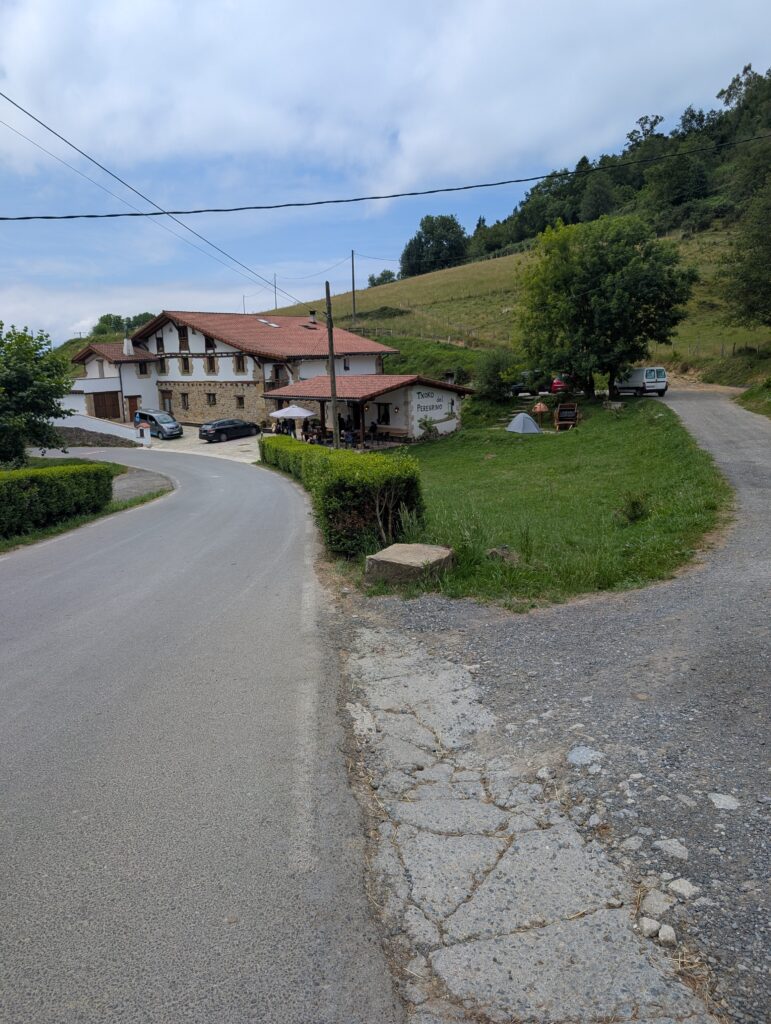
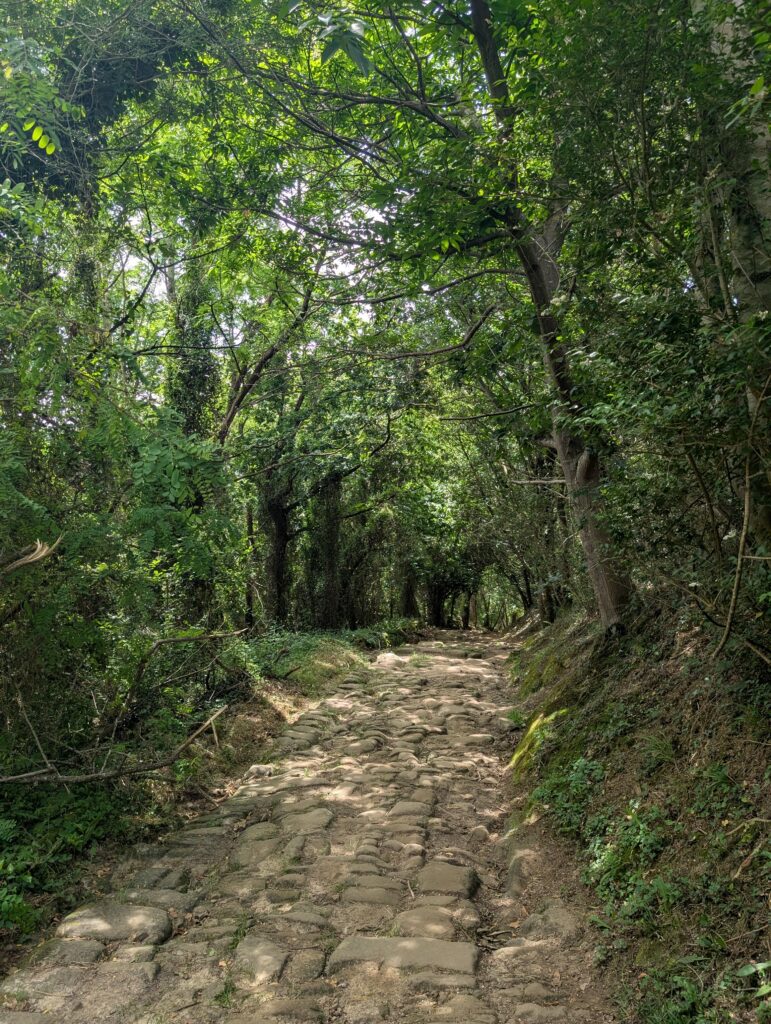
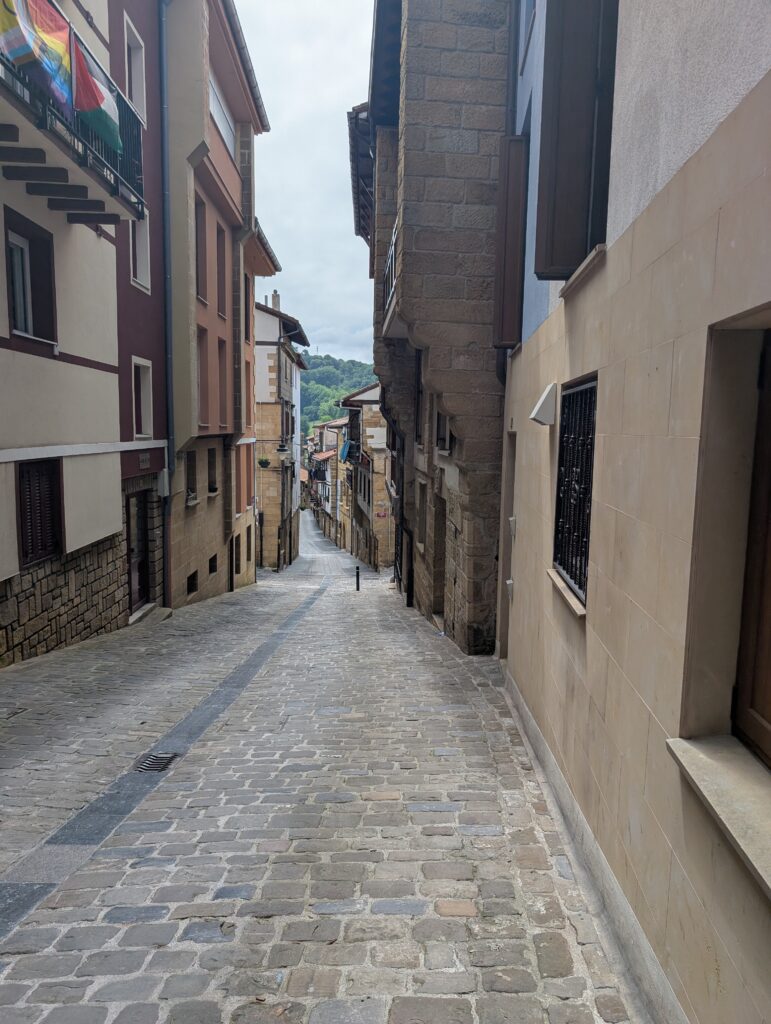
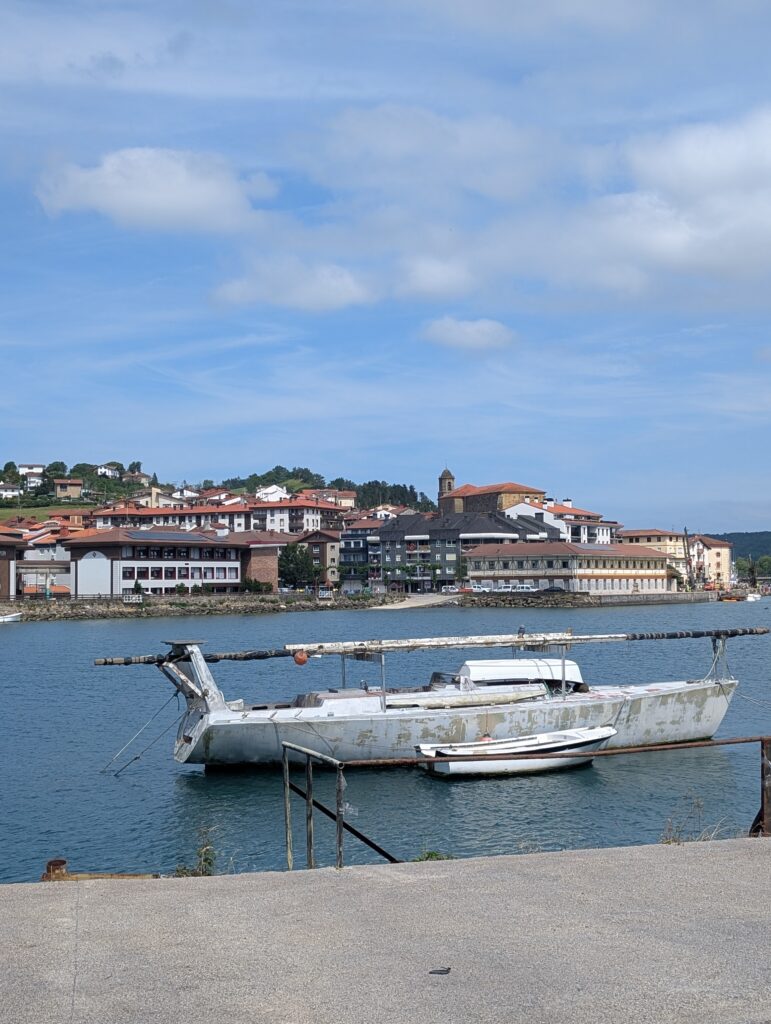
The first real village I reached was Orio. The town felt almost deserted. Most cafés seemed closed, but I eventually found a small café-bar where I could rest and recharge.
By then, I had started noticing the familiar rhythm of camino life. There was an older pair of pilgrims who walked together every year. They weren’t a couple, yet they shared this annual tradition. There was also a Mexican-American woman whom I kept crossing paths with throughout the day. Soon we were exchanging the traditional “buen camino” whenever we met again.
Leaving Orio, I still had about five kilometres left to reach Zarautz. Unfortunately, this final stretch followed the road and wasn’t nearly as scenic as the earlier part of the day. My legs were tired, my shoulders ached from carrying my backpack and laptop, and I could feel the accumulated fatigue of the previous days.
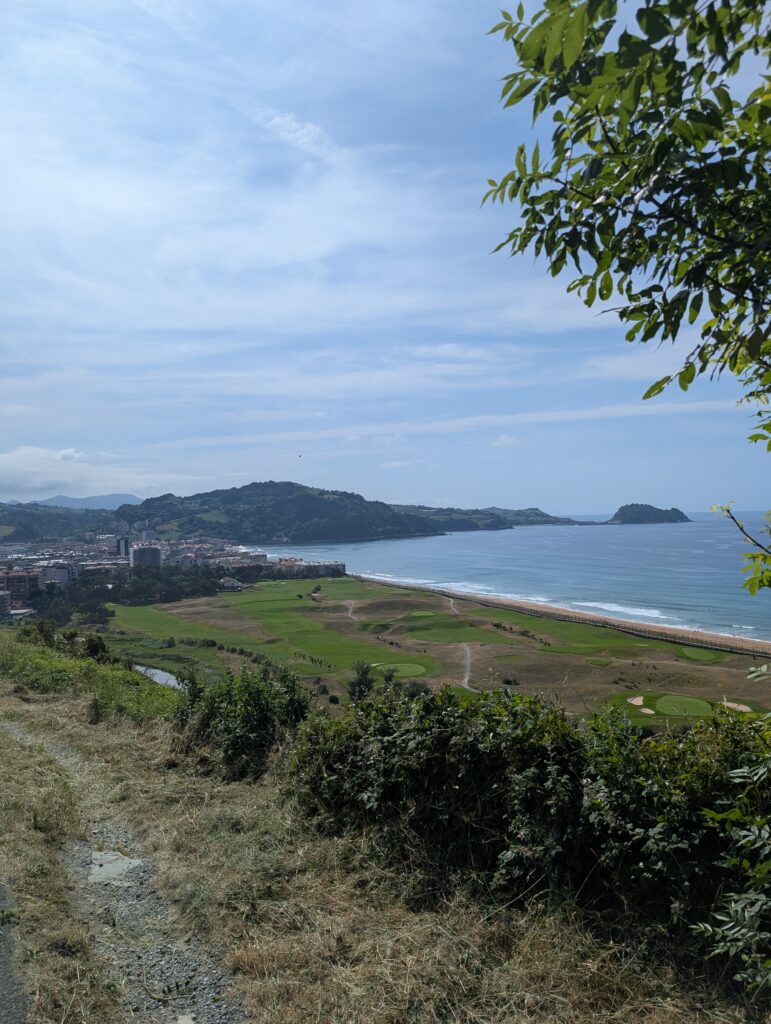
I finally arrived in Zarautz around 5 p.m., just in time. At 6 p.m., I had to teach an online class.
This was the strange reality of my camino: one moment I was climbing hills overlooking the Atlantic Ocean, and the next I was sitting behind a screen teaching from a hostel.
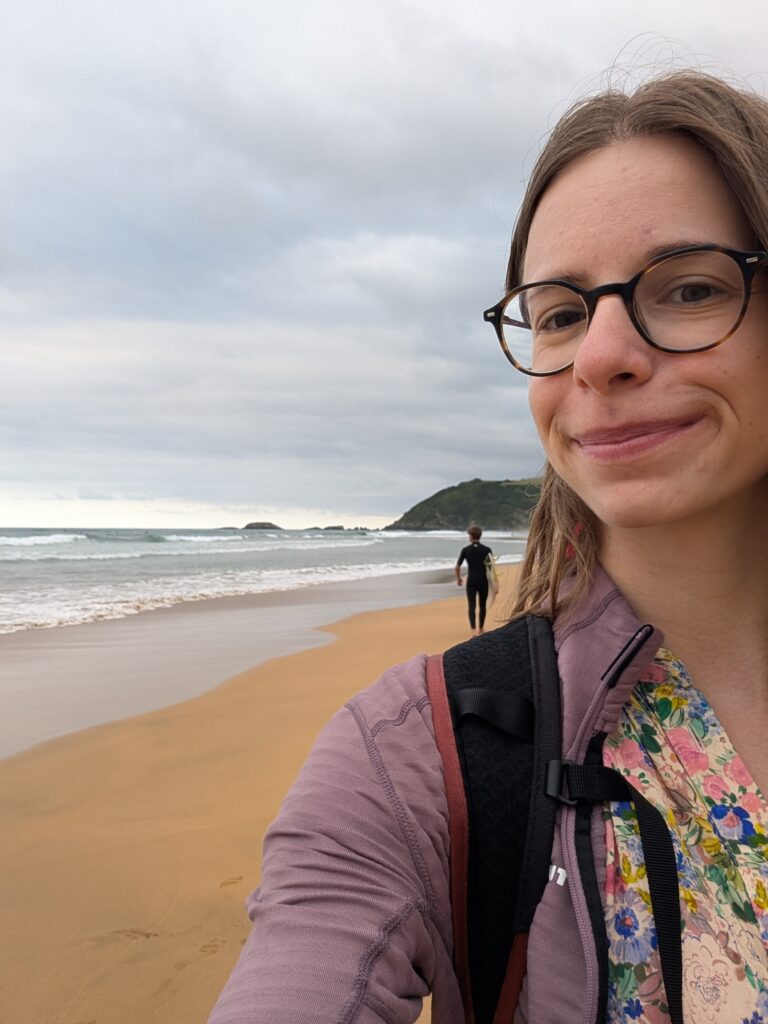
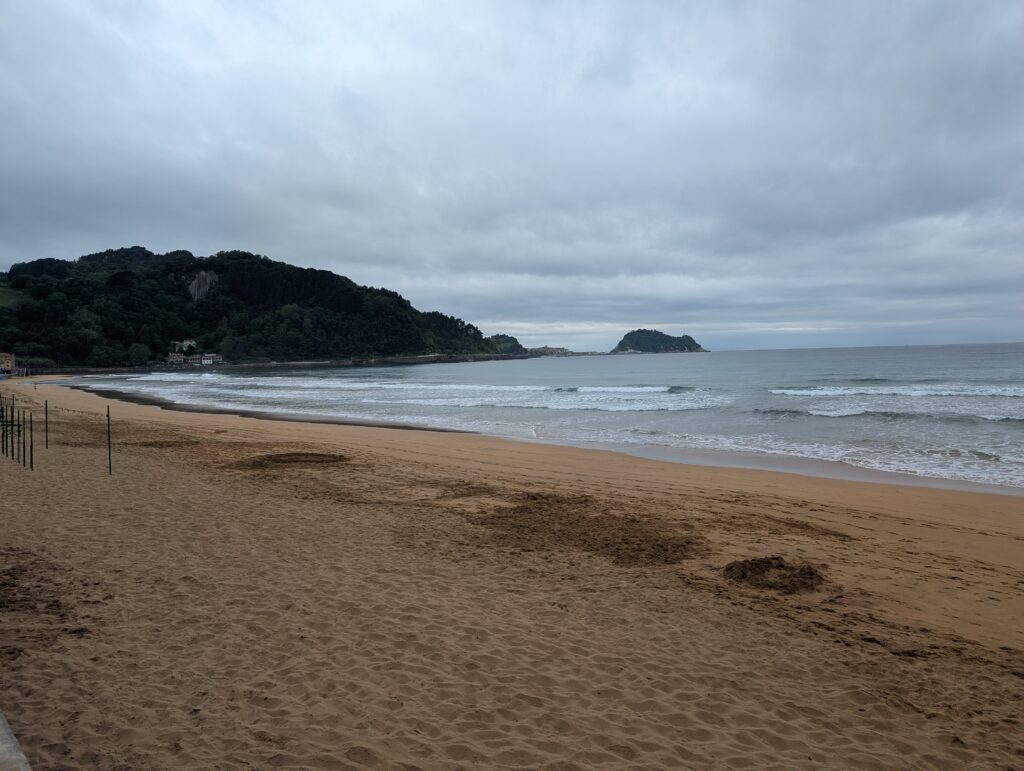
After my class, I walked down to the beach barefoot. The cool sand felt wonderful after a long day on the trail. Surfers dotted the waves, and above them I spotted several paragliders soaring through the evening sky. I couldn’t help feeling slightly jealous. Later, I learned that the area around Orio is actually a popular paragliding site. For a moment, I wished I had brought my wing with me. But the truth was, I barely had enough energy left to walk.
That evening, I bought a sandwich from a restaurant next to the hostel. What I thought would be a simple vegetarian sandwich turned out to contain an impressive combination of ham, tuna, eggs, lettuce, tomatoes and cheese all at once. I removed the ham and tried my best, but it was one of the strangest sandwiches I have ever eaten.
Back at the hostel, I began researching the following day’s stage. I still didn’t know where I would sleep, how far I would walk or how I would fit my work around it all. The camino had only just begun, and already it felt like an adventure.
Day 2: Zarautz to Deba – 23 km
The second day of the camino started with a restless night. Although there were only three people in the dormitory, I barely slept. Part of it was the uncertainty of the days ahead. I still hadn’t figured out where I would stay the following night, and finding affordable accommodation along the Camino del Norte was becoming a daily concern. On top of that, I had an online class to teach at noon and was already wondering where I would find a quiet place with enough internet connection. At some point during the night, I put on my wireless headphones and listened to some relaxing music. Eventually, I drifted off to sleep.
My plan had been to leave around six in the morning, but when I finally woke up, it was already 7:30 a.m. The other pilgrims had long since departed. I took my time getting ready and left the hostel around 8:15.
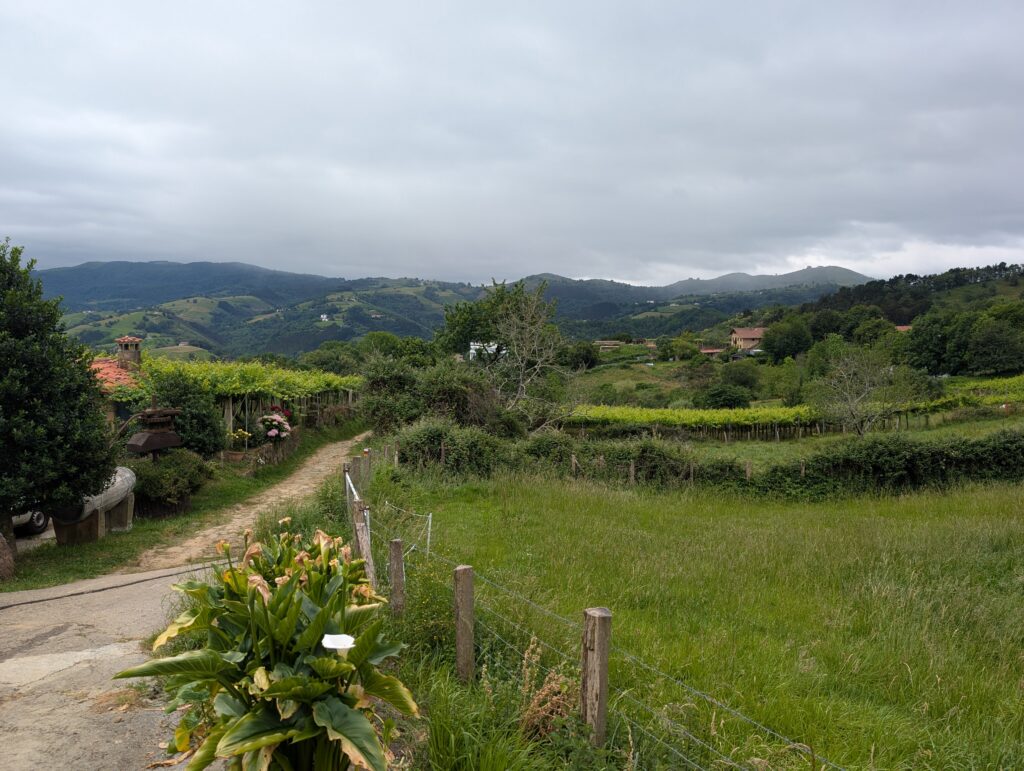
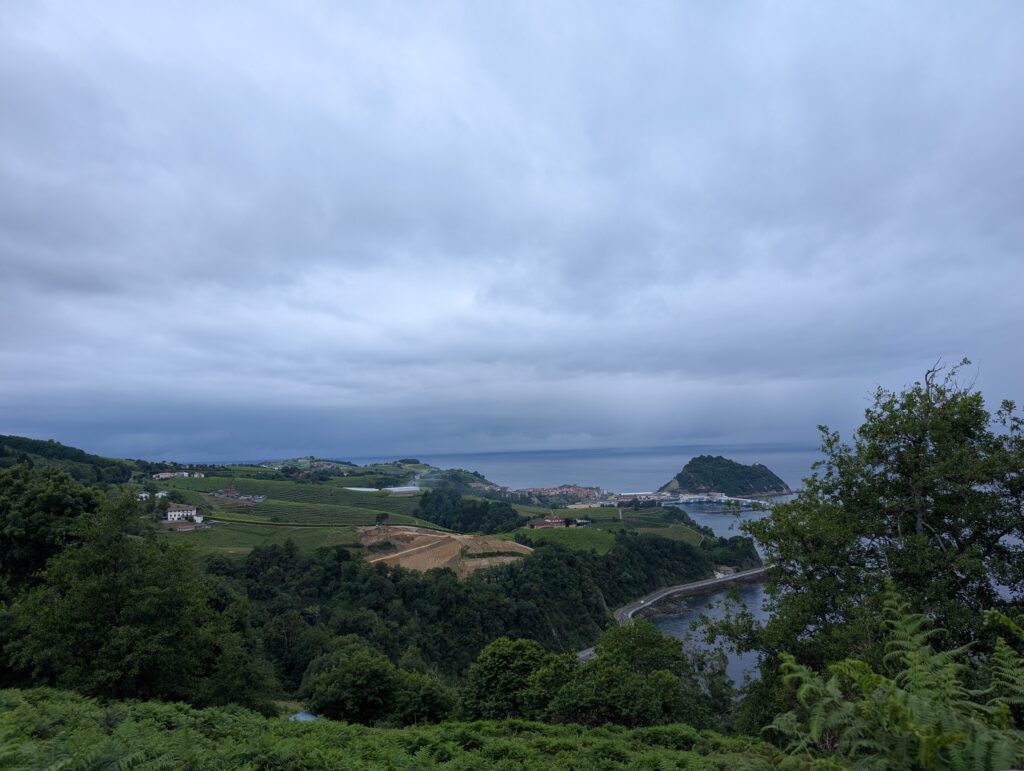
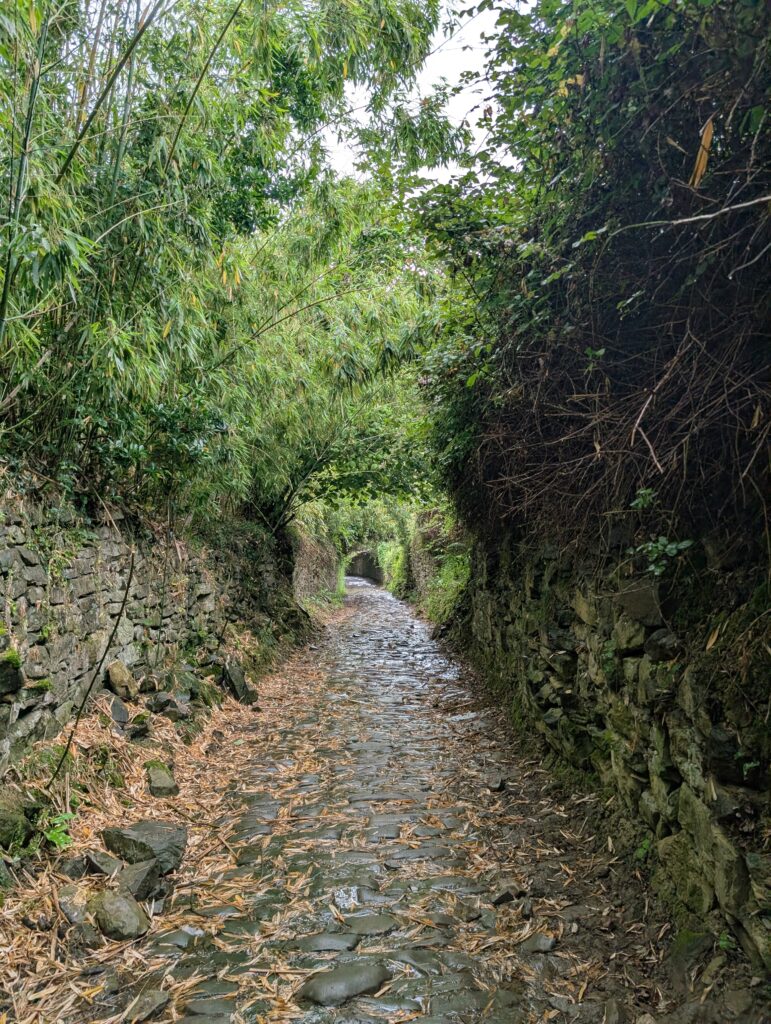
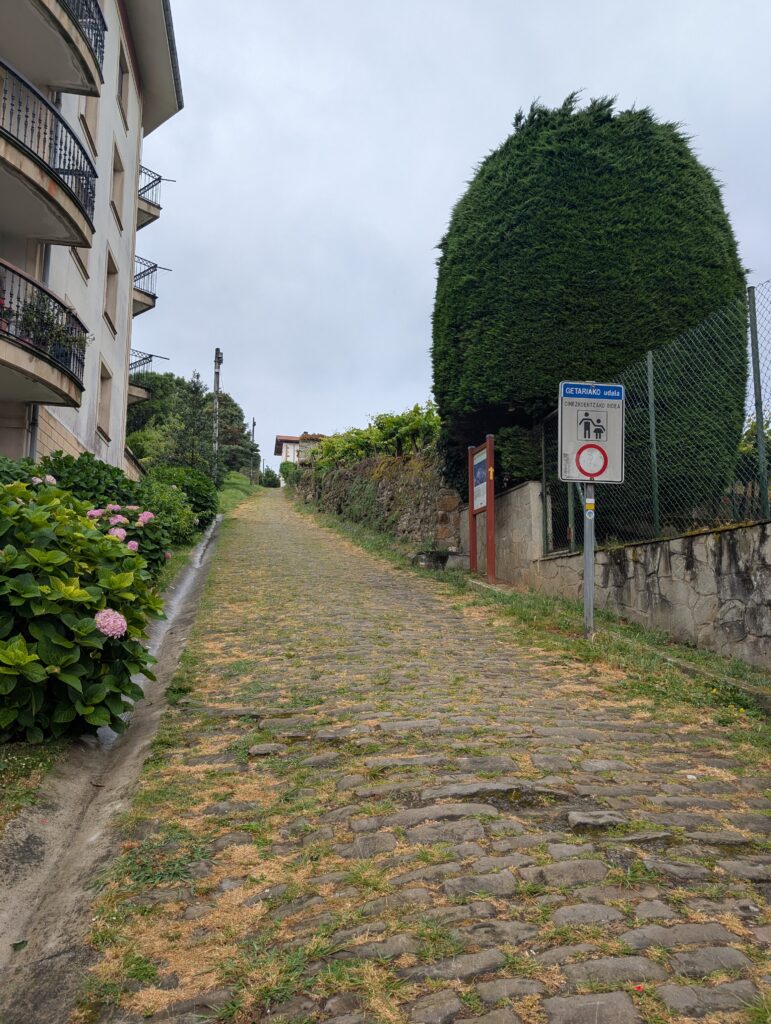
The hostel owner had told me that the first stretch towards Getaria was relatively flat and easy. What he forgot to mention was that this was a variant of the camino. Instead of that, I chose the camino that climbed steeply above the coastline. As I trudged uphill, I couldn’t help laughing to myself. So much for “flat.”
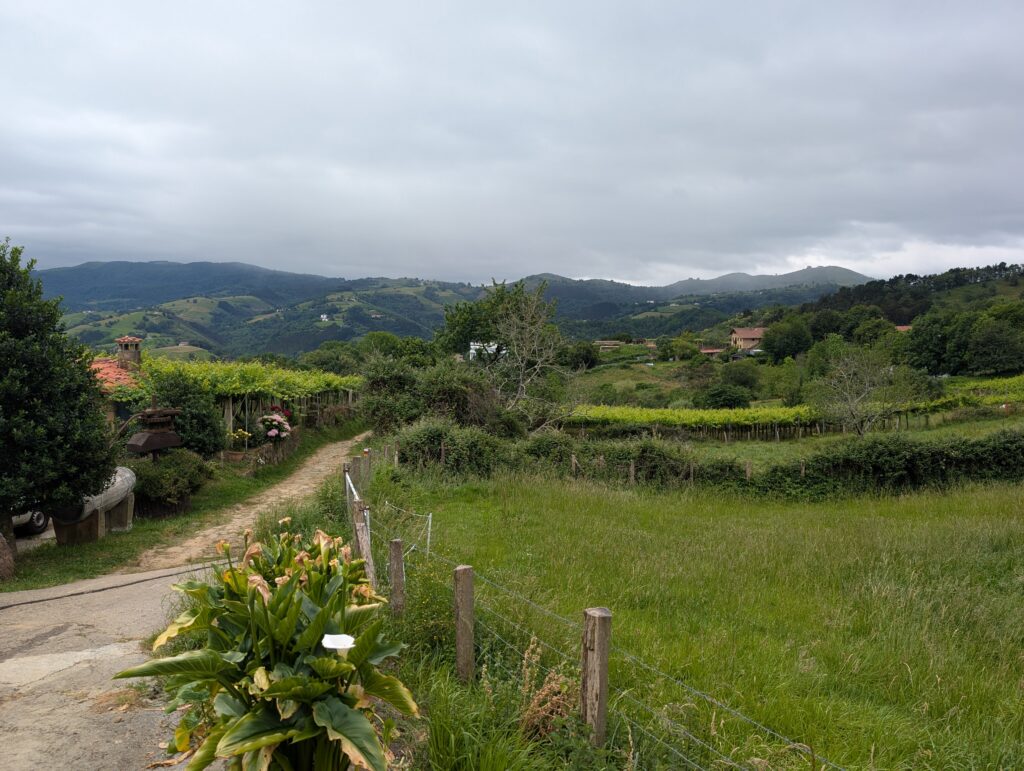
The effort was worth it. The path offered spectacular views over the sea, the rugged coastline and the forest. Below me, the alternative route followed the main road, busy with traffic and far less appealing. Even if my legs disagreed, I knew I had made the right choice.
Around mid-morning, dark clouds began gathering overhead. Shortly before reaching Getaria, I found myself walking alongside two other pilgrims. One would overtake me, then stop for a break, allowing me to pass him again. The other stayed behind us. For a while, the three of us were walking together, exchanging small conversations and enjoying the shared experience.
Then the rain arrived. Not the gentle drizzle that one can easily ignore, but a proper storm. None of us had expected it. The rain came down heavily, driven by the wind, transforming the path into a slippery mess. Fortunately, it only lasted about half an hour, but it was enough to leave us soaked.
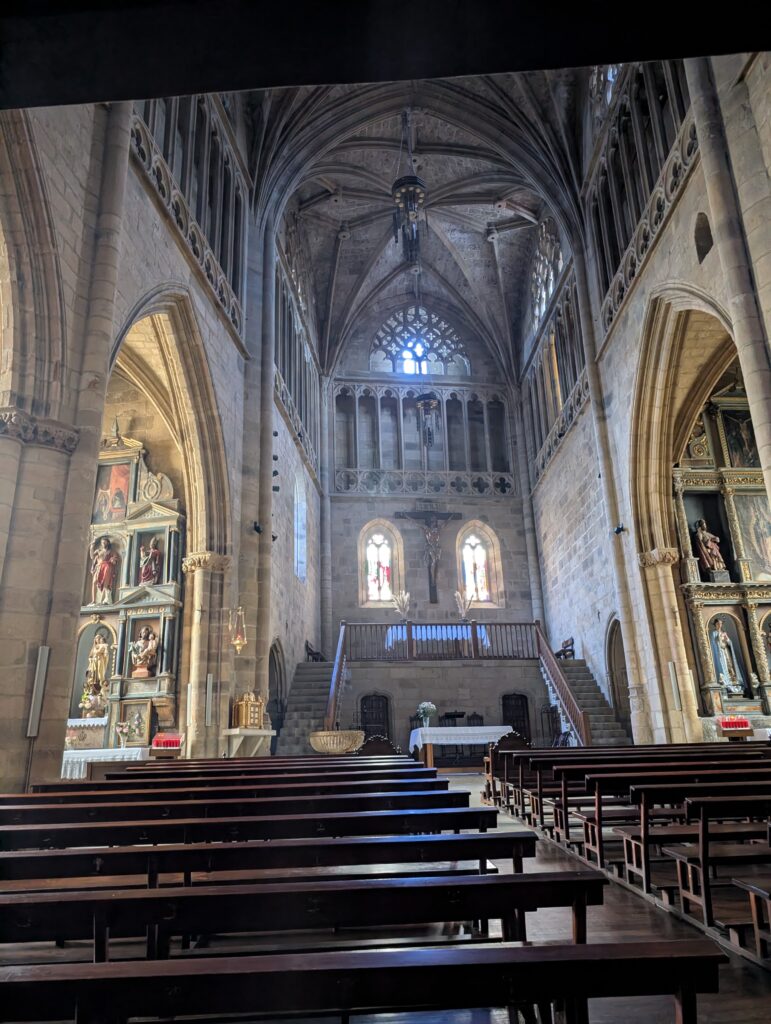
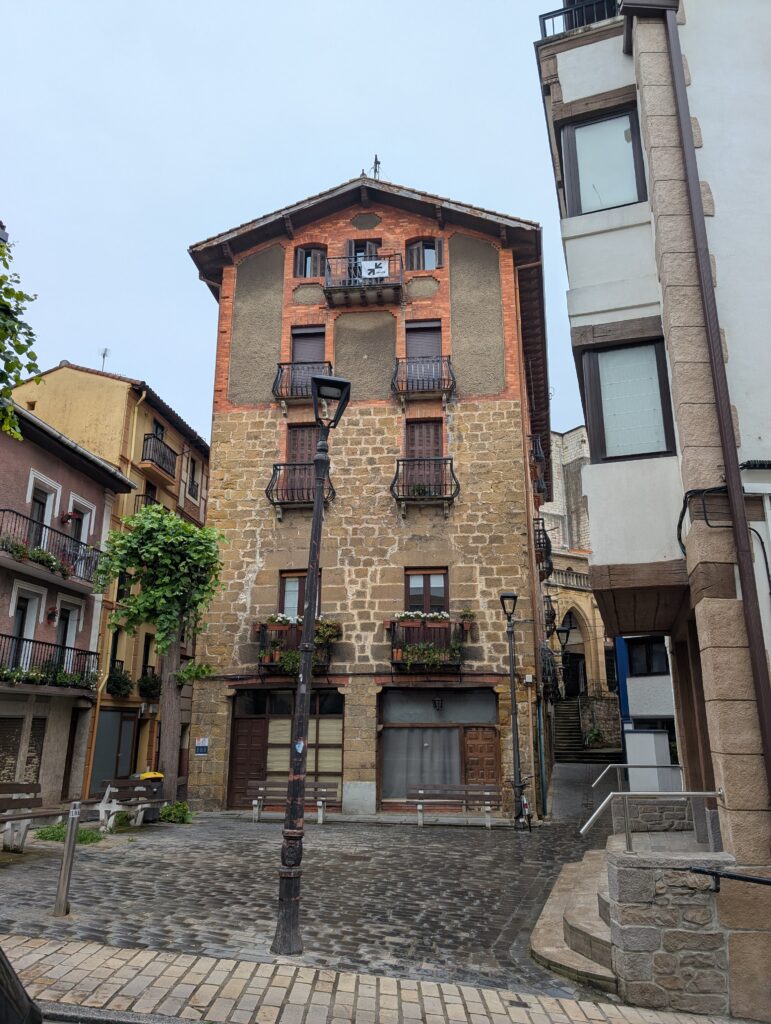
Getaria appeared shortly afterwards, nestled by the sea. It is a small and charming fishing village, and after the storm, it felt like a welcome refuge. Before entering the town, I stopped to take in the view of its narrow streets and distinctive church. Its unusual architecture immediately caught my attention.
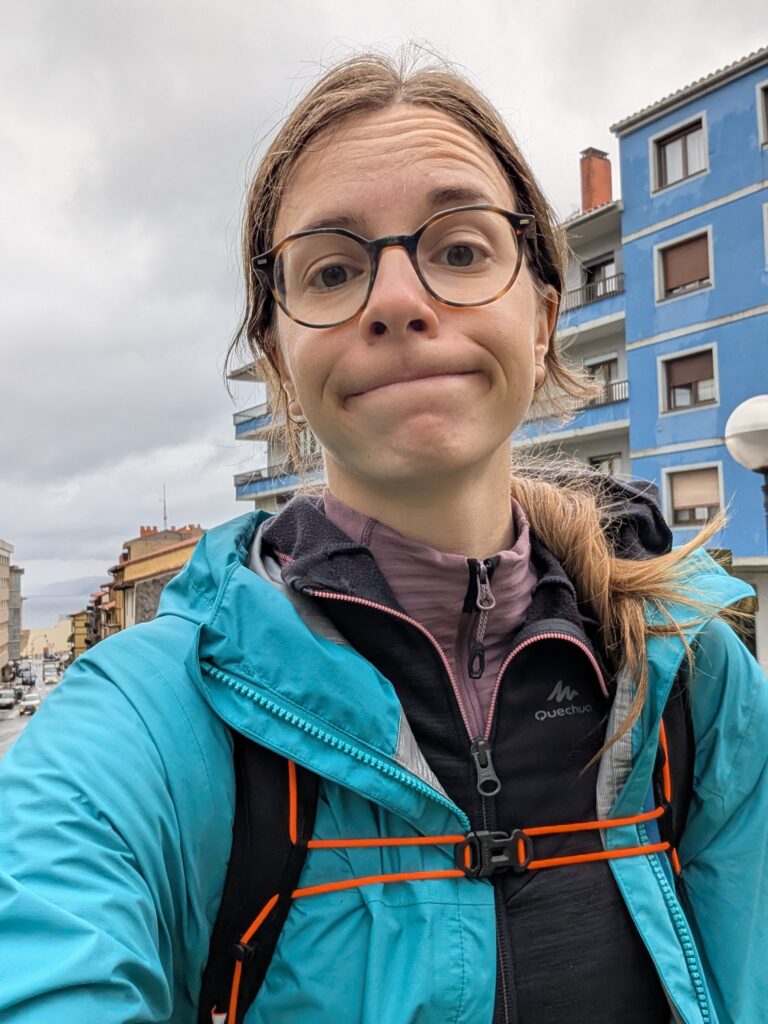
It was also there that I discovered I had lost my headphones. I only realised they were missing when I reached for them. I searched my backpack, my pockets, everywhere. Nothing. I contacted the hostel in Zarautz, hoping that they had found them. To my surprise, they had. At that point, I made a decision that would cost me nearly an hour. I took the bus back to Zarautz, collected my headphones, thanked the hostel owner, and then took the bus back to Getaria again.
By the time I resumed walking, it was already around noon. The next destination was Zumaia. I had visited Zumaia the previous year and had fallen in love with the place. I remembered the spectacular flysch cliffs rising dramatically above the Atlantic Ocean, and I had been looking forward to seeing them again.
Around 1:30 p.m., I finally arrived. Even before entering the town, the views were breathtaking. From above, I could see the old town, the coastline, and the famous cliffs stretching into the distance. Although the flysch formations weren’t directly on the camino, I couldn’t resist making a detour.
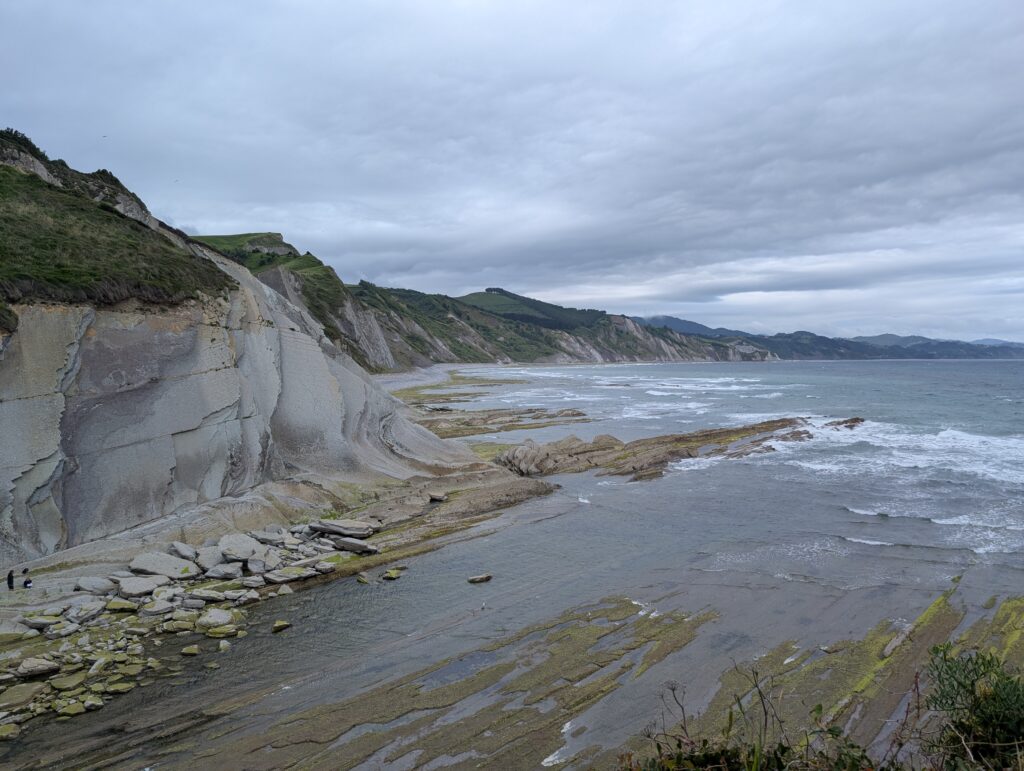
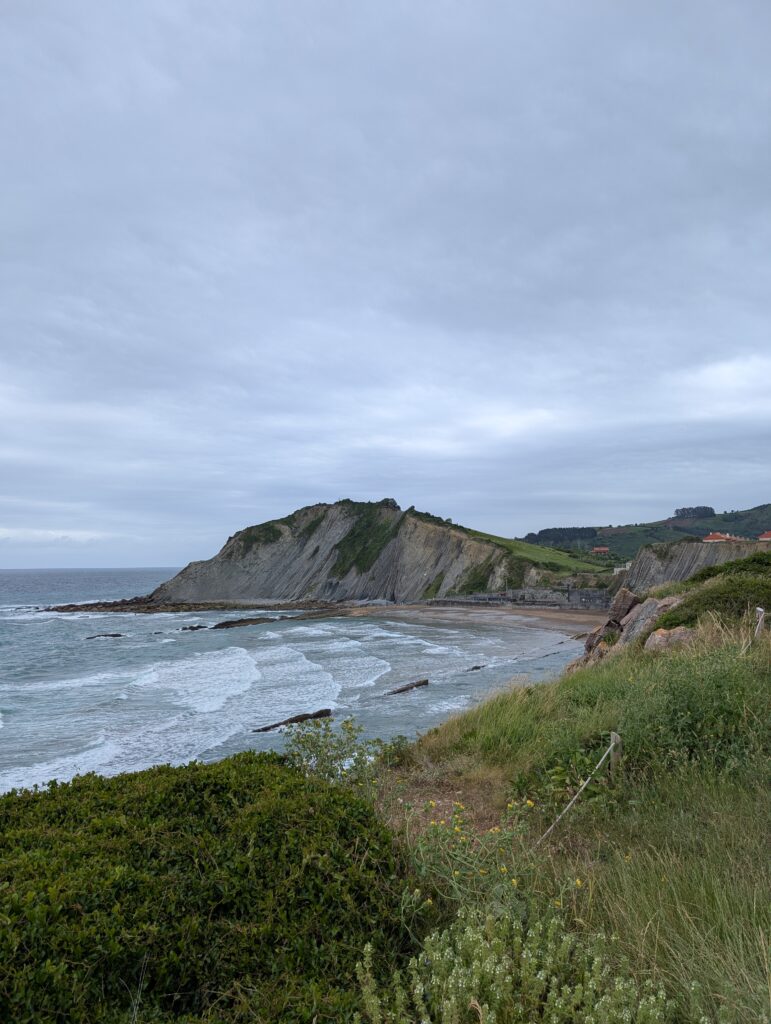
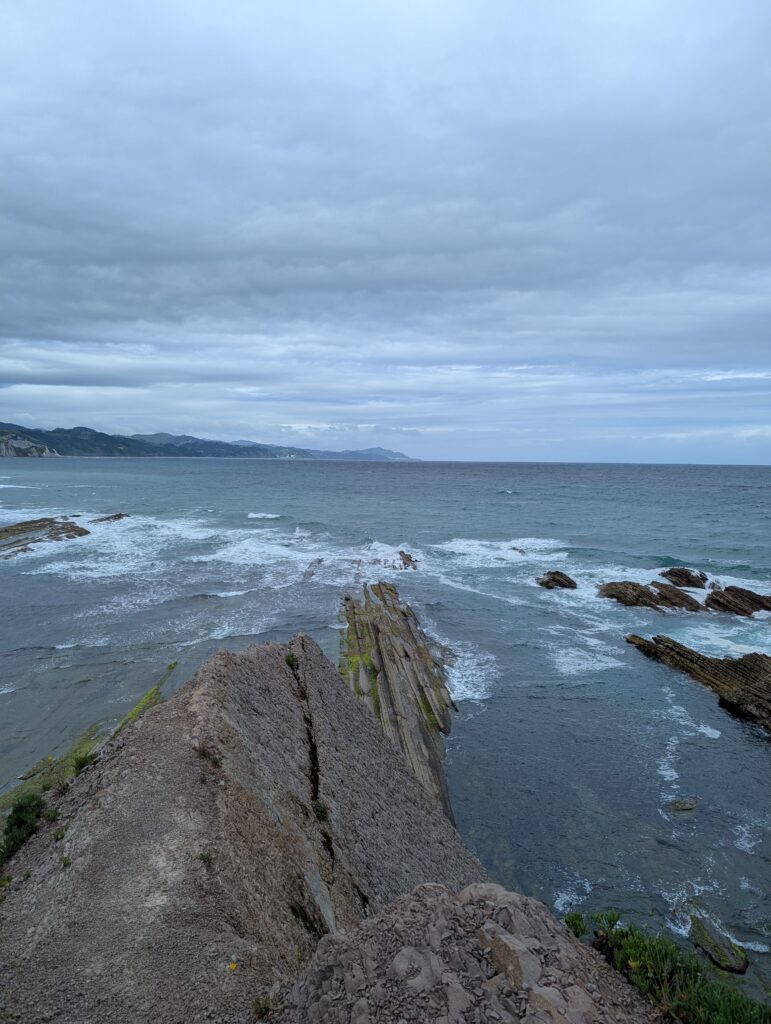
It was absolutely worth it. Standing there once again, looking at the cliffs and the endless ocean beyond, I remembered why I had loved this place so much. There is something magical about Zumaia. The combination of the dramatic coastline, the small-town atmosphere and the sea creates a unique charm. I even briefly looked for accommodation there. If prices had been more reasonable, I might have stayed. But everything was far beyond my budget.
Reluctantly, I continued. I had more than ten kilometres left to reach Deba, and by then fatigue was starting to catch up with me. The uncertainty about accommodation added another layer of stress. My only realistic option was the municipal albergue in Deba, which operated on a first-come, first-served basis.
Fortunately, I had exchanged phone numbers with a Czech pilgrim earlier on the camino. At around 4:30 p.m., he informed me there were 13 out of 50 beds left. That gave me hope.
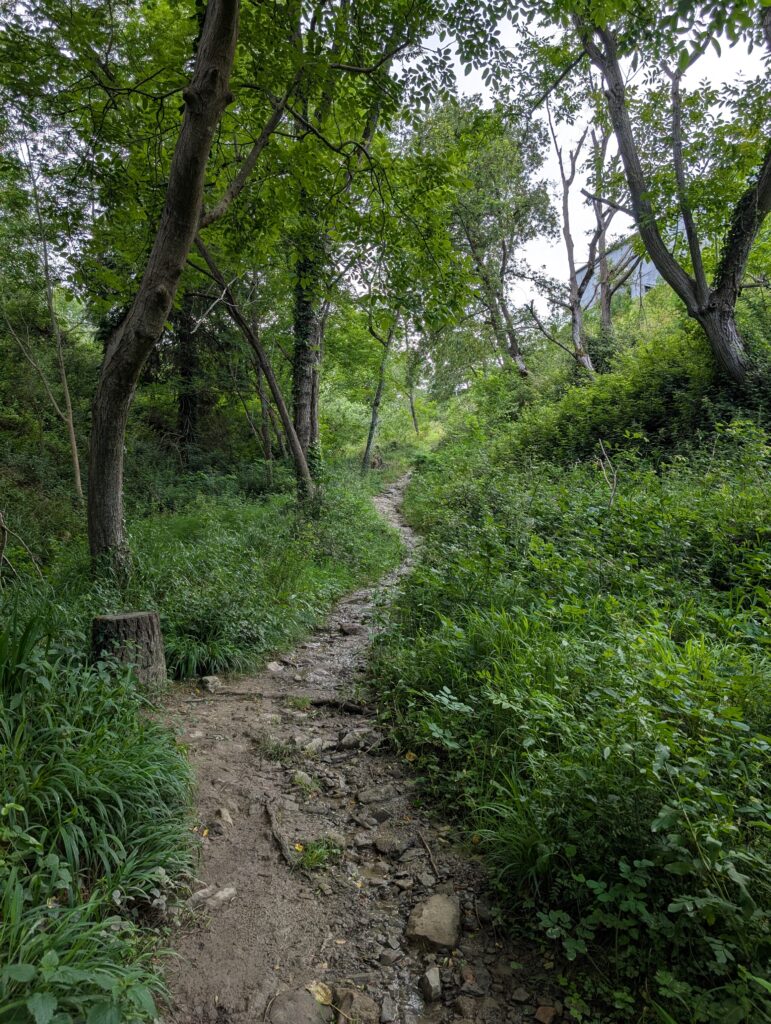
But the kilometres that followed felt endless. There were very few opportunities to stop, and I found myself putting down my backpack every fifteen minutes just to rest my shoulders. The weight of carrying my computer was becoming increasingly noticeable. The scenery was less rewarding too. Large sections followed roads, with traffic constantly passing by. I was exhausted.
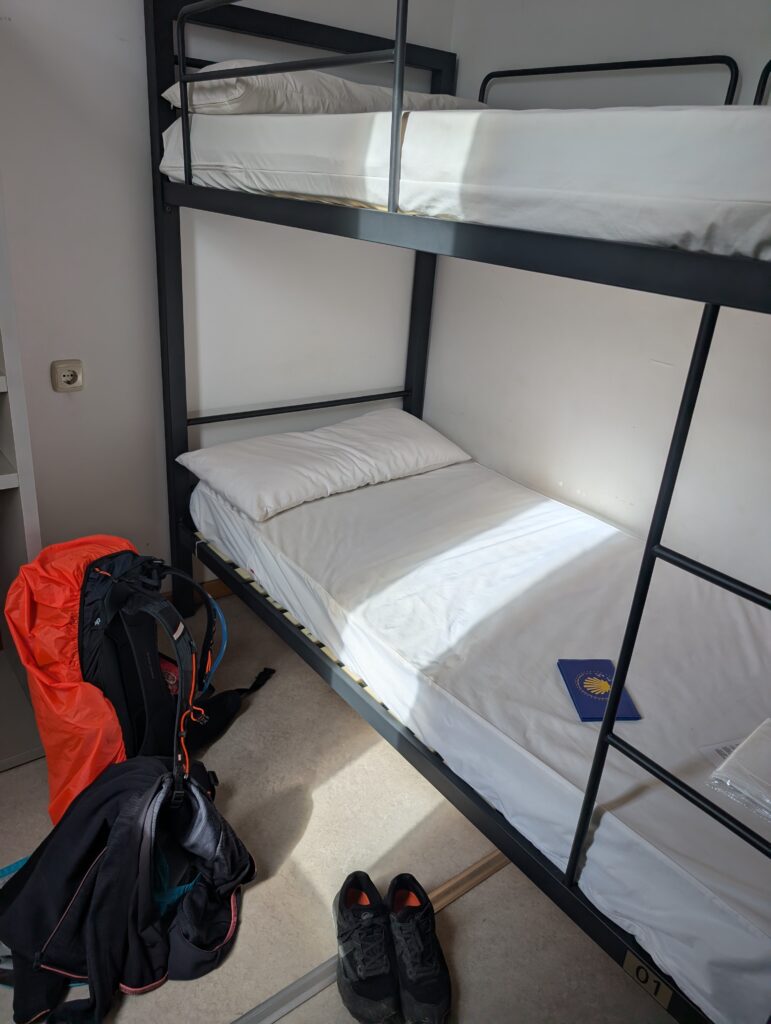
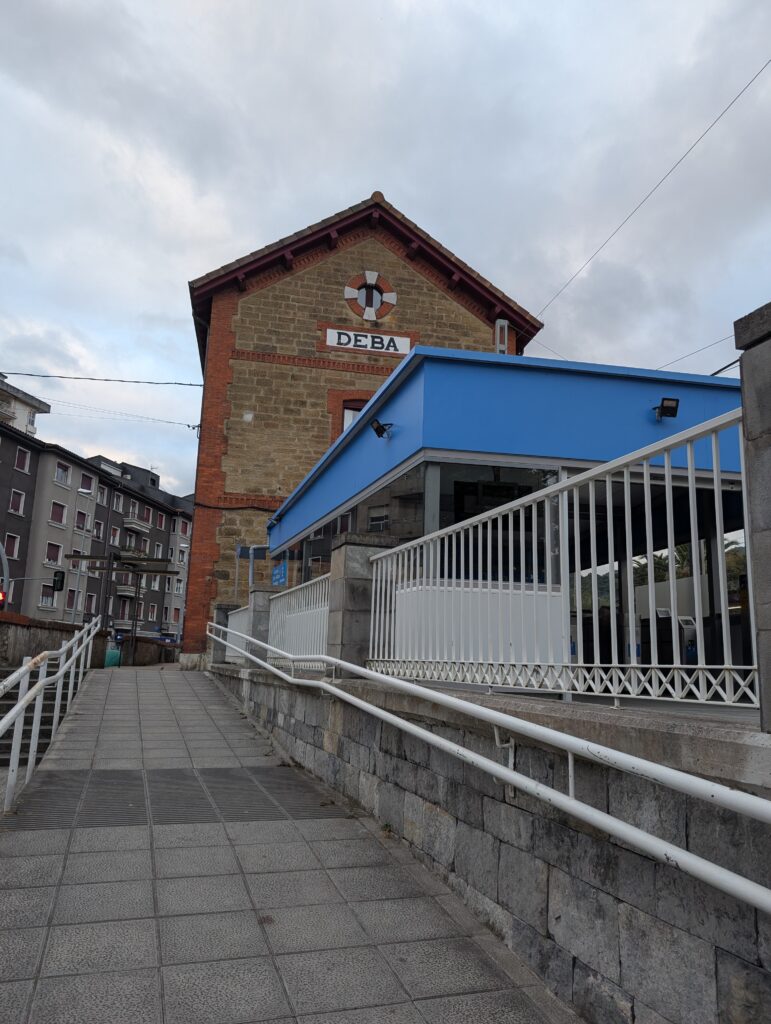
When I finally reached Deba, it was just before six o’clock. The tourist office, where pilgrims had to register for a bed, was about to close. I secured one of the last seven available beds. Relief washed over me. For eight euros, I had a place to sleep.
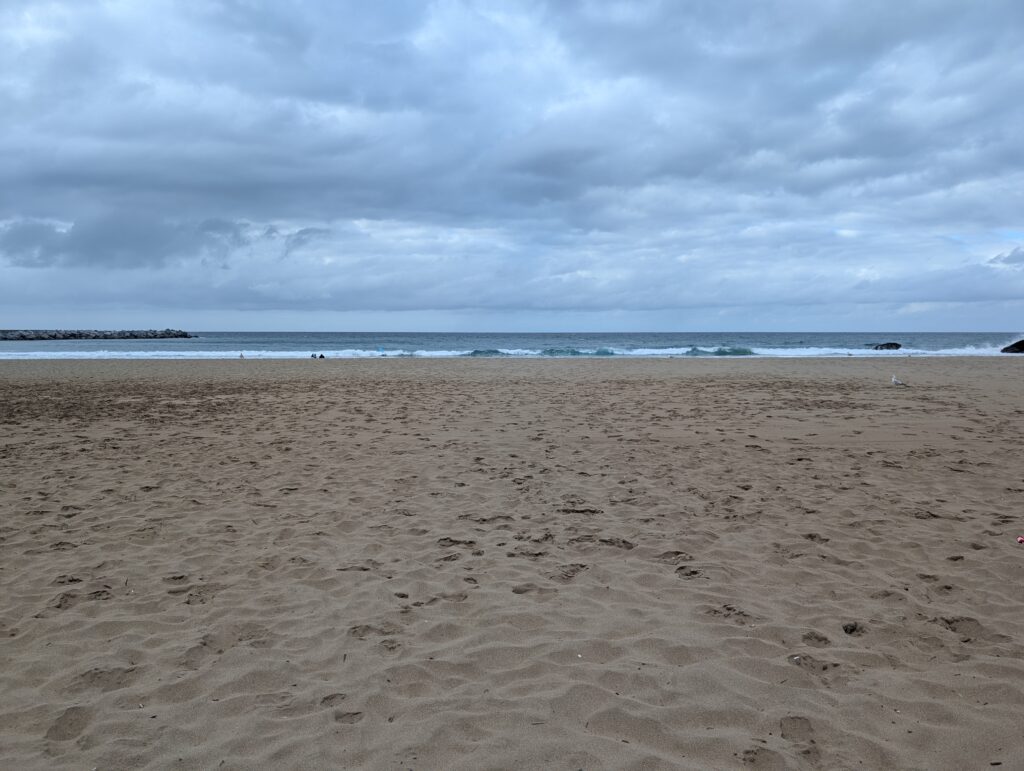
After a long shower, I walked down to the beach. To be honest, Deba didn’t particularly impress me. The beach was pleasant enough, but after the dramatic coastline of Zumaia, it felt rather ordinary.
That evening, I treated myself to my first proper meal since arriving in Spain: a vegetarian burger with a generous portion of patatas bravas. It tasted wonderful. As I sat there eating, I looked ahead to the next stage. The following day would be different. I would only walk a few kilometres because I had a full afternoon of online teaching.
The life of a digital pilgrim continued. And despite the exhaustion, the uncertainty and the endless search for accommodation, I was beginning to find my rhythm.
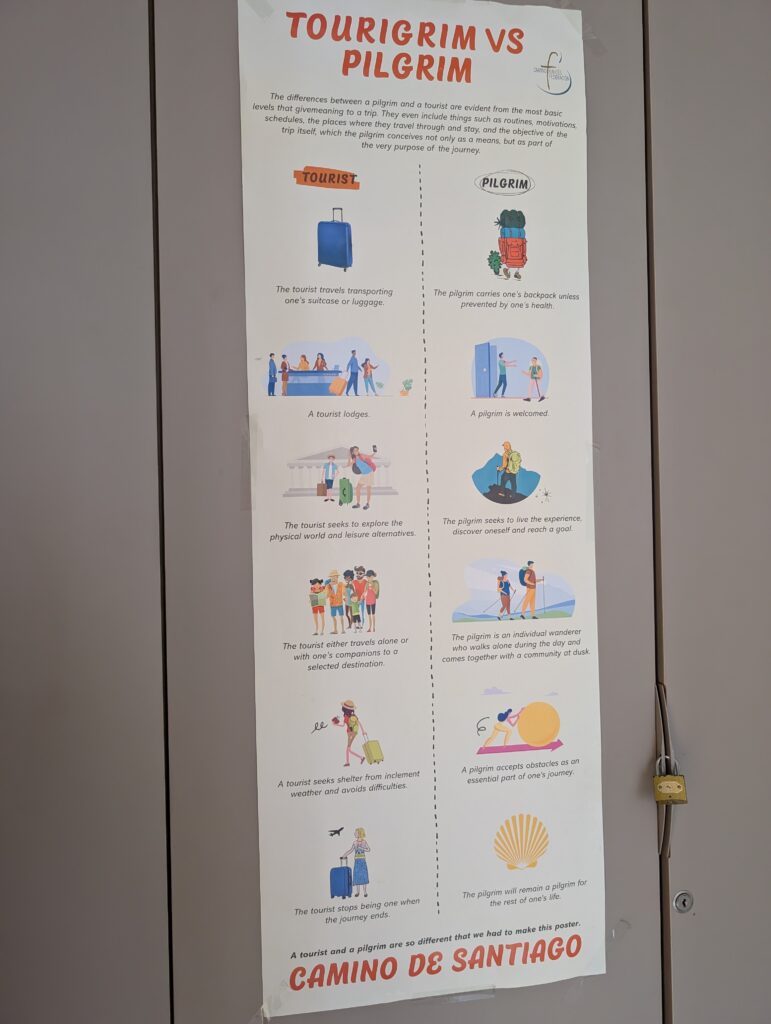
What does it mean to be a true pilgrim ?
More often than not, I encountered “tourist” pilgrims, tourigrim. I saw this poster in the municipal albergue in Deba, loved it !
Day 3: Deba to Laranga – 5 km
After the long and exhausting previous day, the plan for today was simple: only five kilometres of walking. It sounded almost ridiculous after the twenty-plus kilometre stages of the previous days, but I knew I needed a proper place to work.
The night in Deba had been terrible. The municipal albergue had done its job—it had given me a bed—but that was about it. Without a sleeping bag, I spent most of the night trying to stay warm by covering myself with a towel and every piece of clothing I had. The mattress wasn’t particularly comfortable either, and pilgrims started leaving around five in the morning, filling the room with noise and headlamp lights.
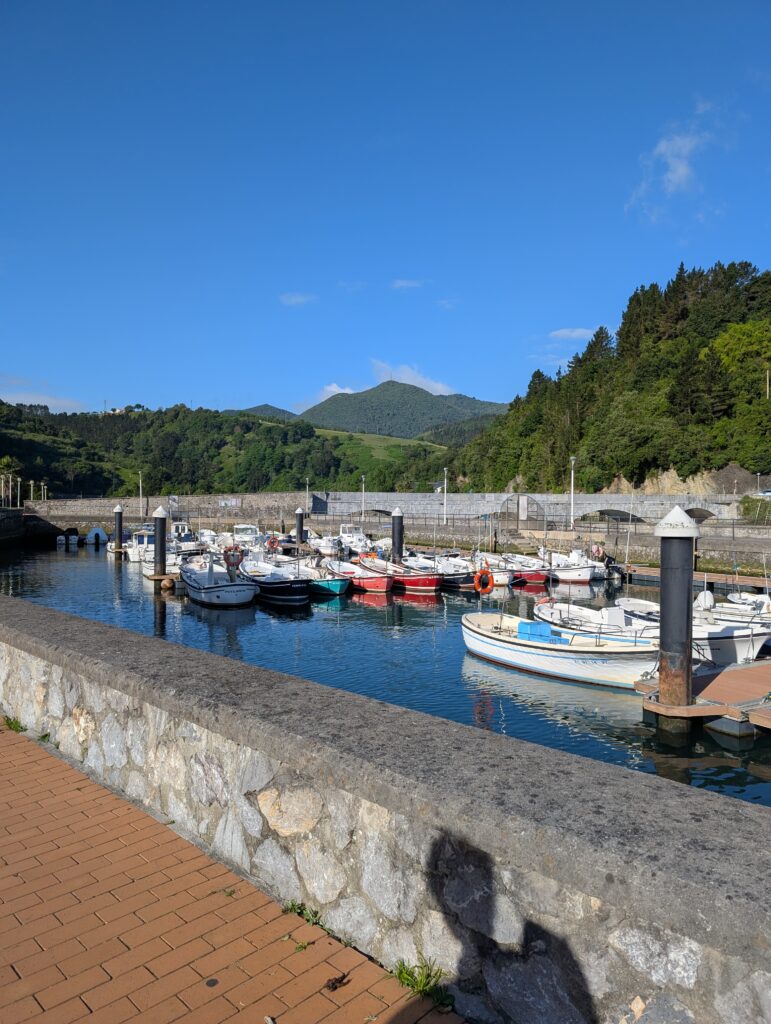
I don’t think I slept more than a few minutes at a time. At some point between six and seven, I gave up trying to sleep and simply waited for the morning. Most of the pilgrims had already left by then. Only the Belgian guy from the bunk above mine and the Czech pilgrim who had helped me find a bed were still around.
I went for breakfast with the Belgian pilgrim, and together we started the short walk towards my accomodation on the camino. For the first time since beginning the camino, I had company for an entire stage.
It was only five kilometres, but it felt nice not to walk alone. We chatted about our travels, our lives, and the camino itself. Sometimes it isn’t the length of the stage that matters, but the conversations along the way.
The path itself was beautiful. The morning was peaceful, and after only about an hour and a half of walking, I could already see my accommodation in the distance.
It felt strange. Normally, arriving somewhere means the day’s effort is over. This time, another kind of work was about to begin.
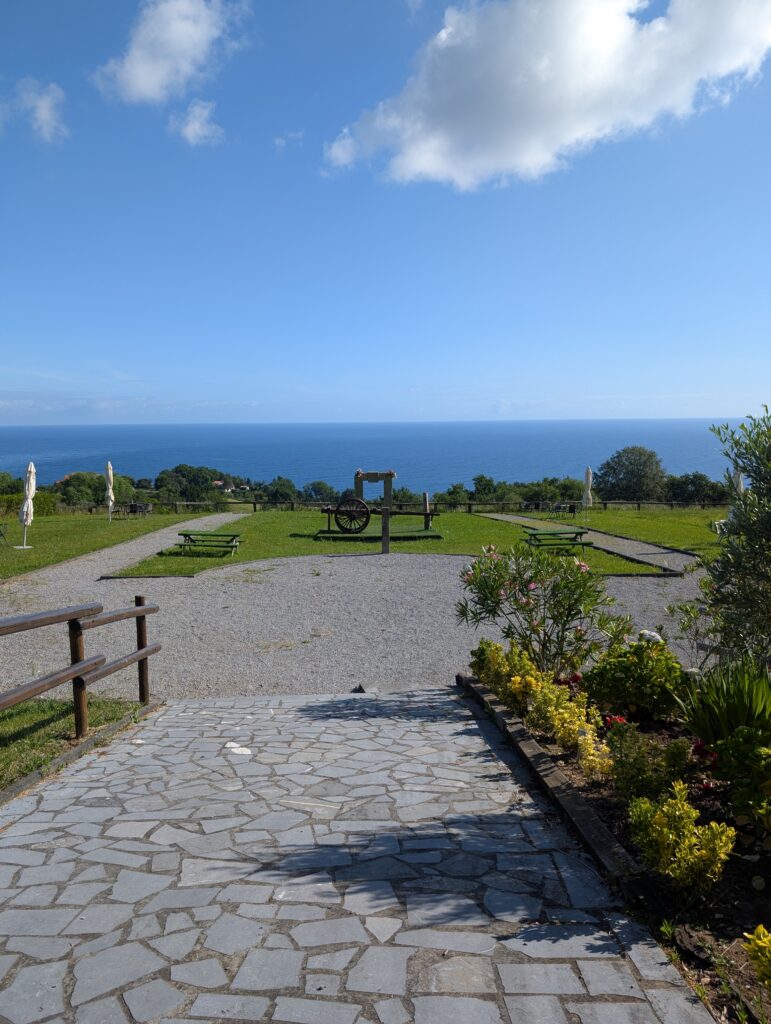
I had booked a room at Pikua Landetxea, a rural guesthouse overlooking the surrounding hills and the sea. At eighty francs for the night, it was far beyond my usual camino budget, but I already knew it would be worth every cent.
The moment I arrived, I understood I had made the right decision. The house was beautiful. I had a private room, a large comfortable bed, my own bathroom, and an incredible view over the countryside. After days of dormitories, snoring and uncertainty, it felt like pure luxury.
There was another advantage: I could finally work properly. From noon until around 8:30 p.m., I taught one class after another. It was one of those days that perfectly illustrated the strange reality of being a “digital pilgrim.” In the morning, I was walking through the Basque countryside with my backpack. In the afternoon, I was sitting in front of my computer teaching online. Sometimes the contrast felt absurd.
During one break, I picked up my backpack and realised how much lighter it felt without the computer inside. I couldn’t help laughing. Carrying a laptop on the camino really was madness. And yet, here I was.
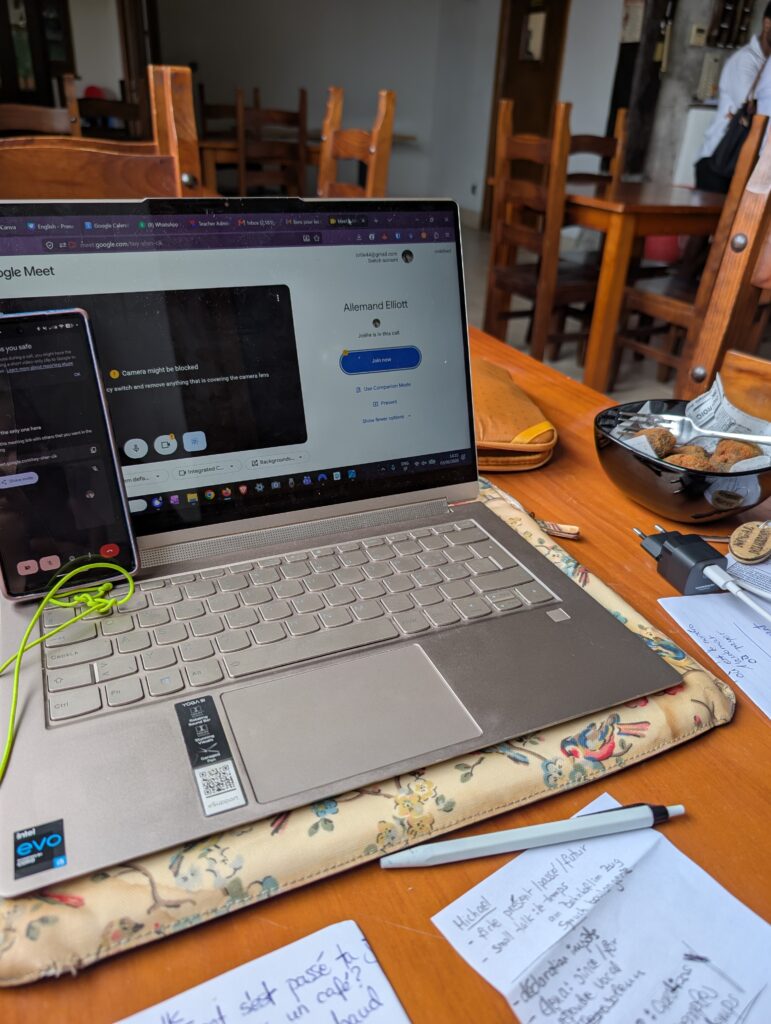
The host was incredibly kind and welcoming. After my classes ended, we spent some time chatting together. He were genuinely interested in my journey, and it was refreshing to slow down and connect with people outside the usual camino bubble.
Dinner felt like a reward. For the first time in days, I sat down to a proper meal: a mixed salad, fish bacalao, and dessert. Simple things suddenly felt luxurious. I wasn’t walking, I wasn’t looking for accommodation, I wasn’t worrying about Wi-Fi or the next stage. I was simply enjoying the moment.
Apart from a couple who arrived later in the evening and stayed in the room next to mine, I almost had the entire guesthouse to myself. The view over the green hills, the peaceful atmosphere, the comfort of having a private room—it was exactly what I needed.
When bedtime came, I discovered that even luxury has its limits. The couple next door seemed determined to stay awake for half the night. Their voices travelled easily through the walls, making it difficult to fall asleep.
Eventually, I put on my headphones, listened to some relaxing music, and drifted off. As I lay there, I couldn’t help thinking about how different this camino felt from the others I had walked. This wasn’t a journey of complete disconnection. It was a balancing act between two worlds: work and adventure, responsibility and freedom. And somehow, despite the challenges, I was beginning to make it work.
Day 4: Laranga to Bolibar – 25 km
After my luxurious pause, it was time to get moving again. The day before, I had reserved a bed in Bolibar through WhatsApp after seeing that the hostel appeared fully booked online. Luckily, they still had space. Knowing where I would sleep gave me some peace of mind, especially after the accommodation stress of the previous days.
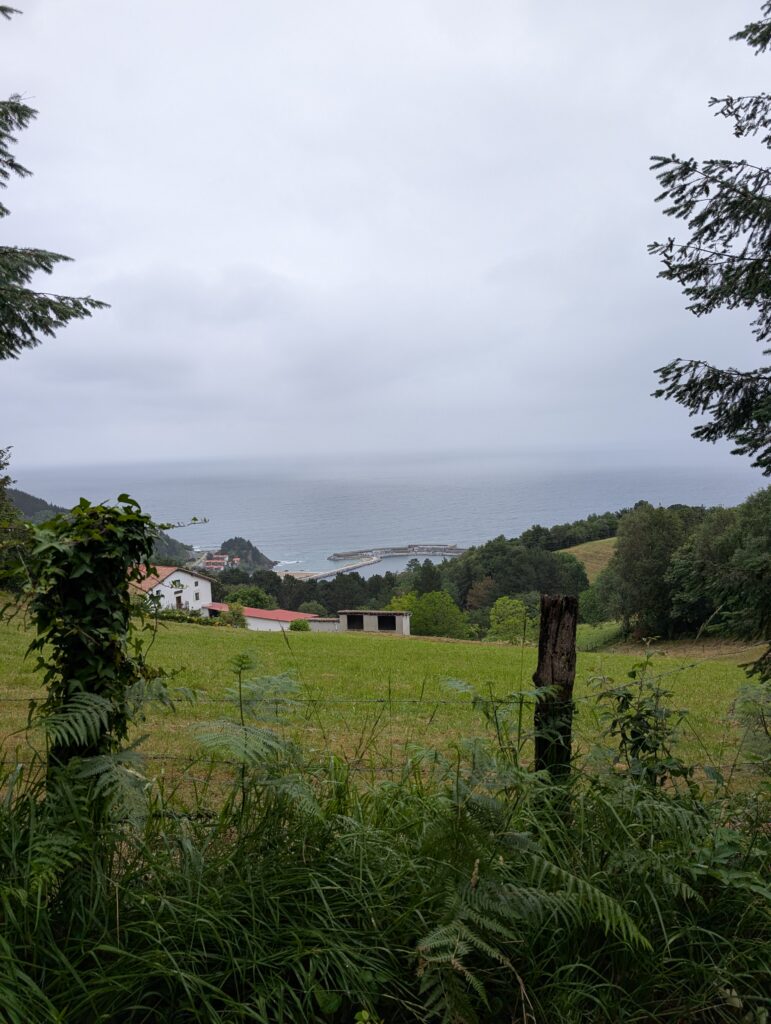
I left around 8:30 a.m., feeling refreshed after a comfortable night and a real breakfast. For the first time since starting the camino, I felt physically recovered. The morning was peaceful. The path wound through the green Basque countryside, climbing steadily higher and higher. The first two hours went by easily. I had found a good rhythm and was simply enjoying being back on the trail.
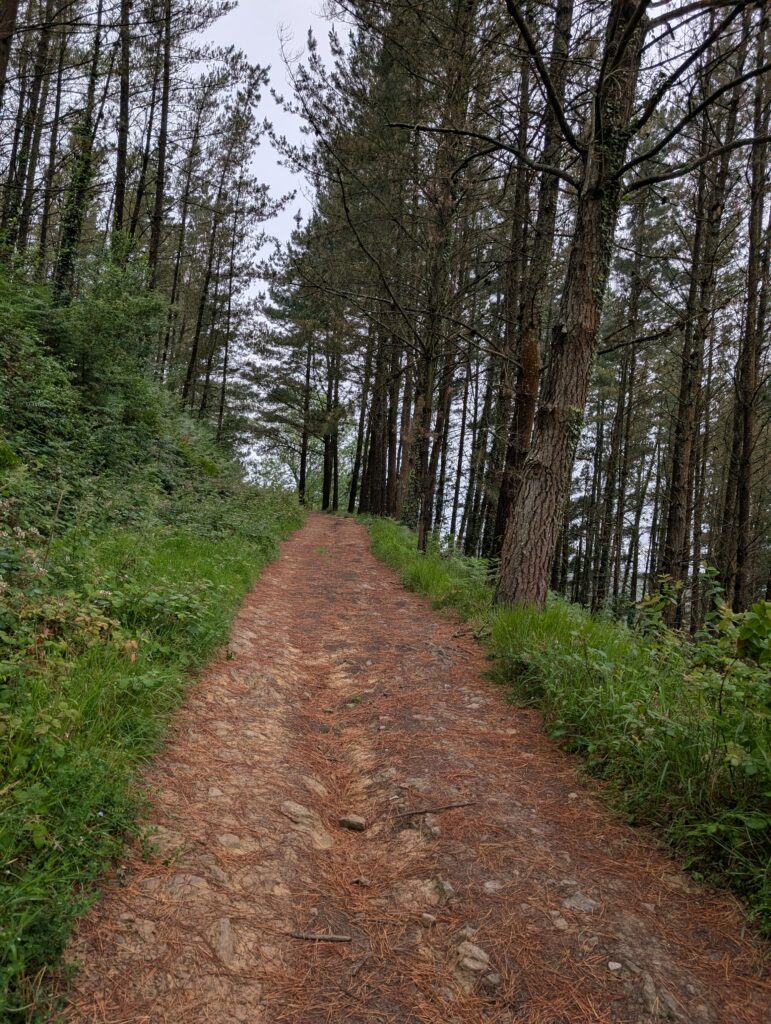
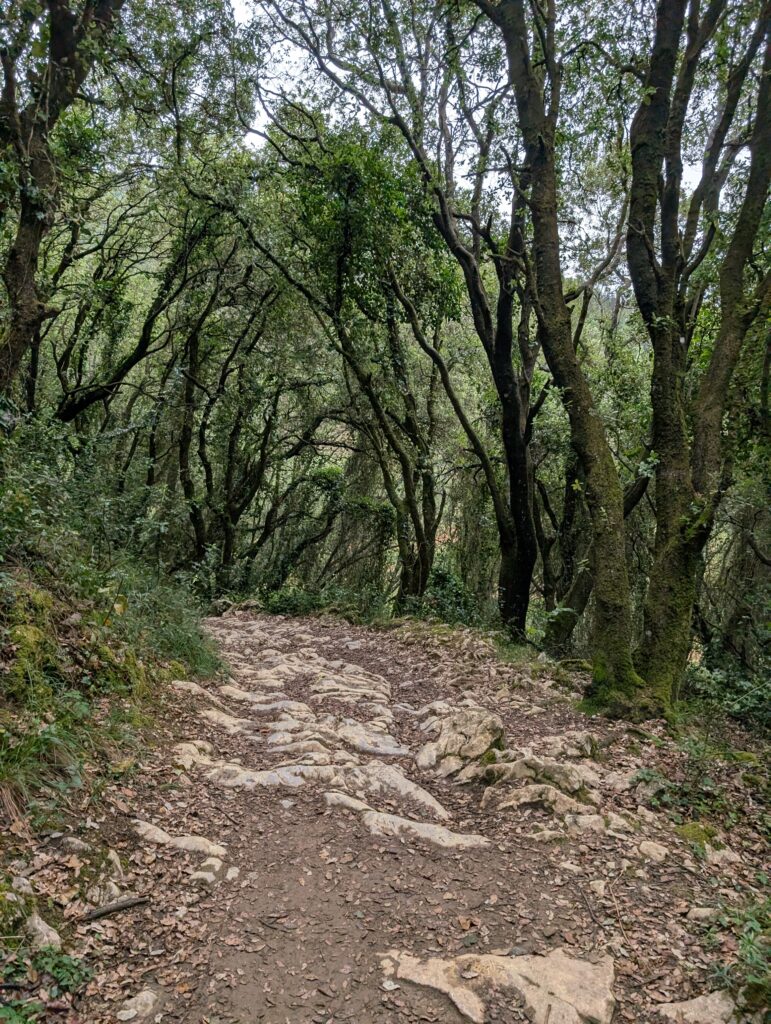
Then, inevitably, the rain arrived. Before that, however, there was another small incident. The ground was still wet from the previous night’s rain, and on one particularly slippery section I lost my footing and fell. Fortunately, I wasn’t seriously hurt. My left leg would later turn slightly blue, but I was lucky.
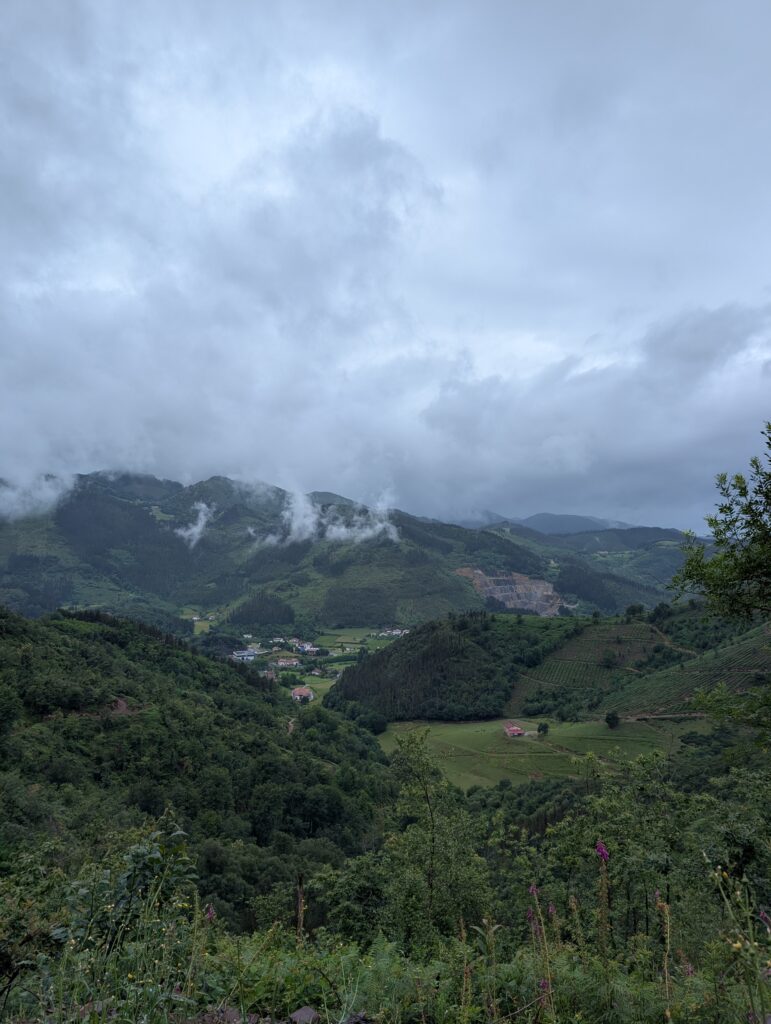
The landscape that day reminded me of the Jura Mountains back home in Switzerland: rolling green hills, forests, pastures, and small villages scattered across the valleys. Everything seemed peaceful and untouched.
Around 11 a.m., I reached the only café I would find before Markina-Xemein. My host had warned me that there would be nothing along the way, so I was grateful for the opportunity to stop. Looking back, that break probably saved me.
Not long afterwards, the weather turned. At first, it was only a light drizzle. Nothing dramatic. I wasn’t worried. The problem was that I hadn’t packed my rain poncho. Soon the drizzle became steady rain, and then heavy rain. The next village was still many kilometres away. For long stretches, there was nowhere to shelter except for the occasional roof stop. Yet somehow, the rain felt different from the storms I had experienced on previous caminos. Difficult, yes. But manageable. Perhaps I was becoming more accustomed to discomfort.
Along the way, I met a variety of pilgrims. Two retired Spanish men with tiny backpacks walked much faster than I did. I jokingly thought of them as “tourist pilgrims” because they seemed to carry almost nothing and had their suitcases transported. Then there was an American woman who lived in Barcelona and had already completed several caminos. We chatted for a while as we walked. Our conversation stayed with me. At one point, we talked about dreams, future plans and places we would like to live. Somehow the conversation brought me back to my own dream of one day owning a small house in Galicia. The camino has a way of reconnecting you with forgotten ambitions.
As the day progressed, the rain continued. The final descent towards Markina-Xemein became particularly challenging. The path was muddy, steep, and incredibly slippery. In some places it felt genuinely dangerous. Every step required concentration.
At one point, I found shelter beneath a small roof alongside a Spanish pilgrim. It wasn’t much of a shelter, but it kept the rain off our heads for a few minutes. We ended up continuing together for a while, and I was grateful for the company. Had I been completely alone, those final kilometres might have felt much harder.
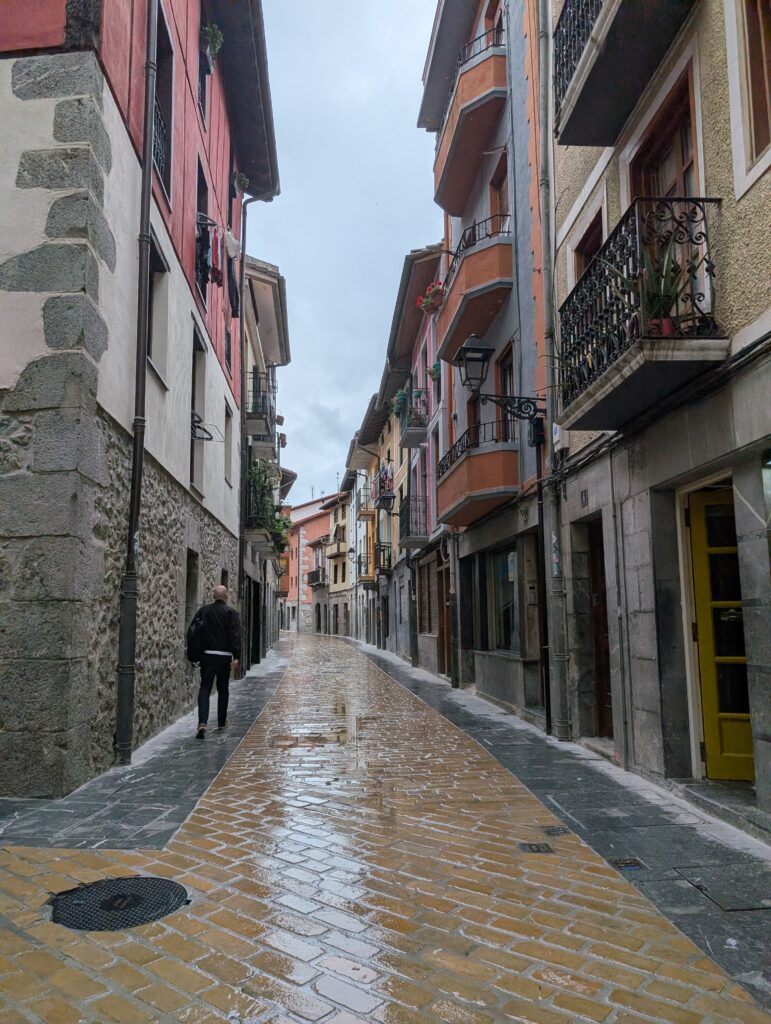
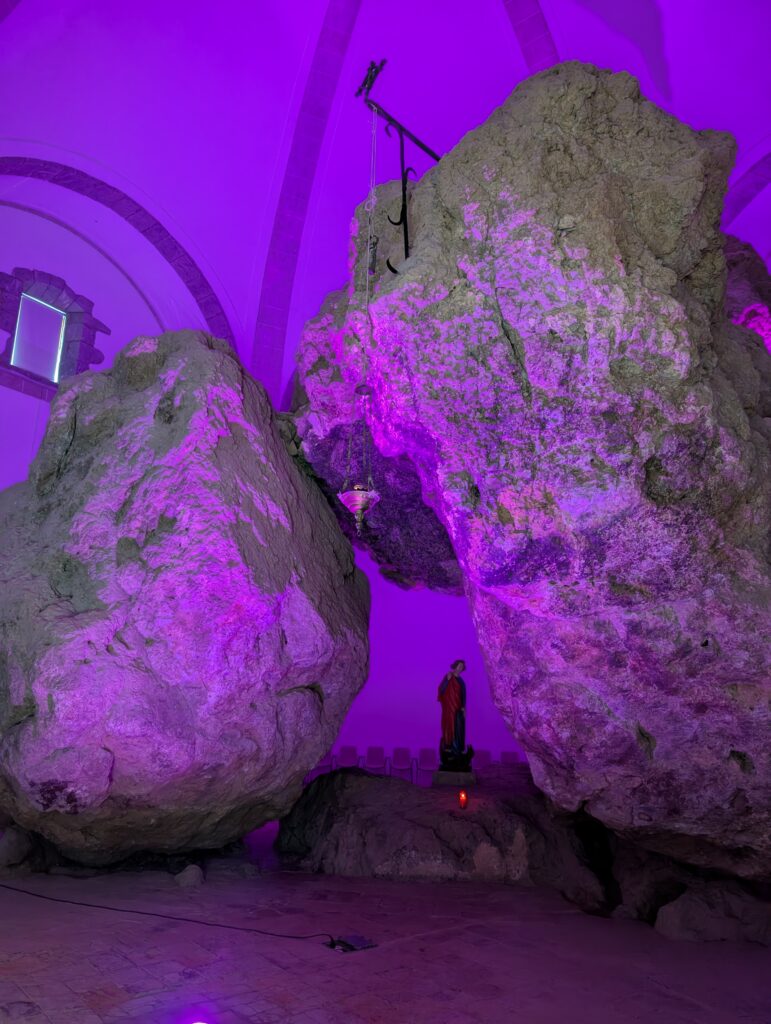
We finally arrived in Markina-Xemein around 3 p.m., soaked and tired. The town felt like an oasis. We found a place to sit, eat and drink, and spent over an hour recovering. It was one of those moments when the camino becomes very simple: food, shelter, rest. Nothing else matters.
Around 4:30 p.m., I set off again. There were still six or seven kilometres left before reaching Bolibar.
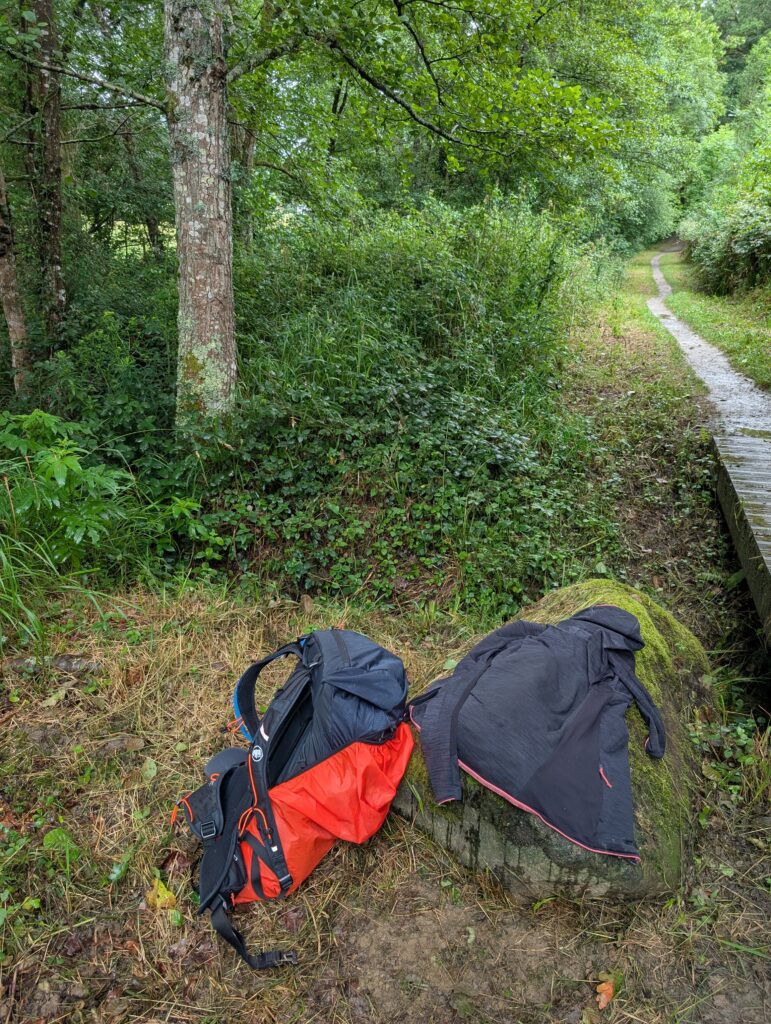
I stopped to have a planned thirty-minute conversation with one of my students in the middle of the camino. Somehow, despite the rain threatening all day, it stayed dry exactly when I needed it. A small miracle.
As I continued, I met a German pilgrim who was also heading to the same hostel. He had booked a private room, while I was staying in the dormitory, but it was nice to share the last kilometres with someone. By then, I was exhausted. The difference was that this time exhaustion felt earned rather than overwhelming.
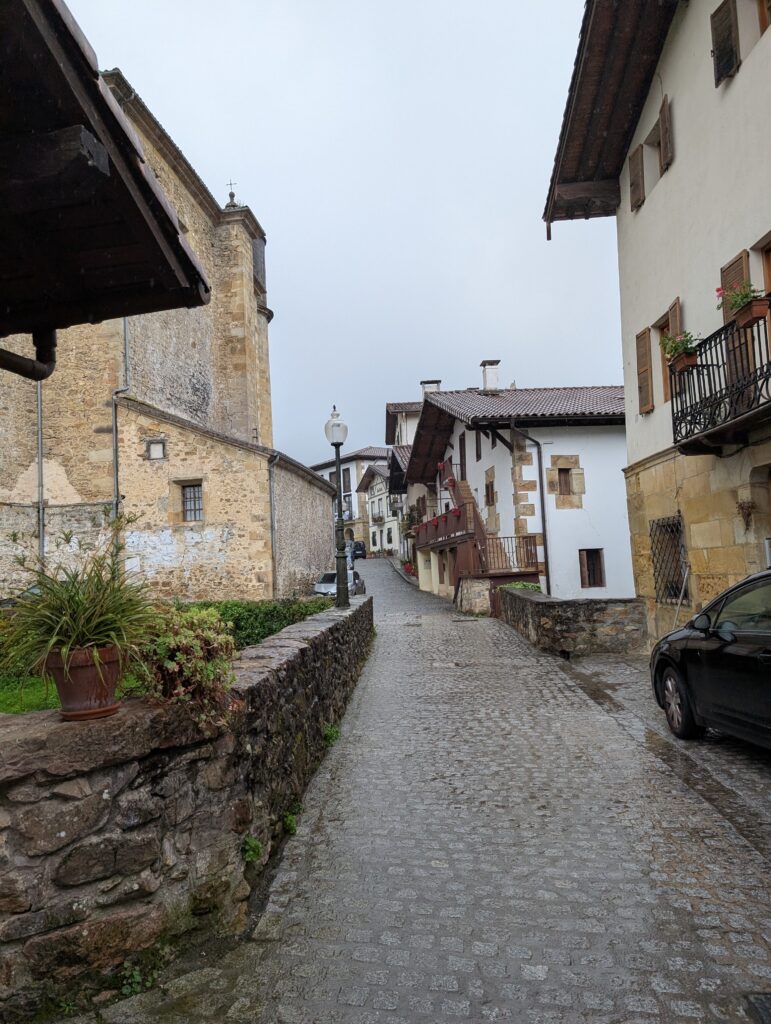
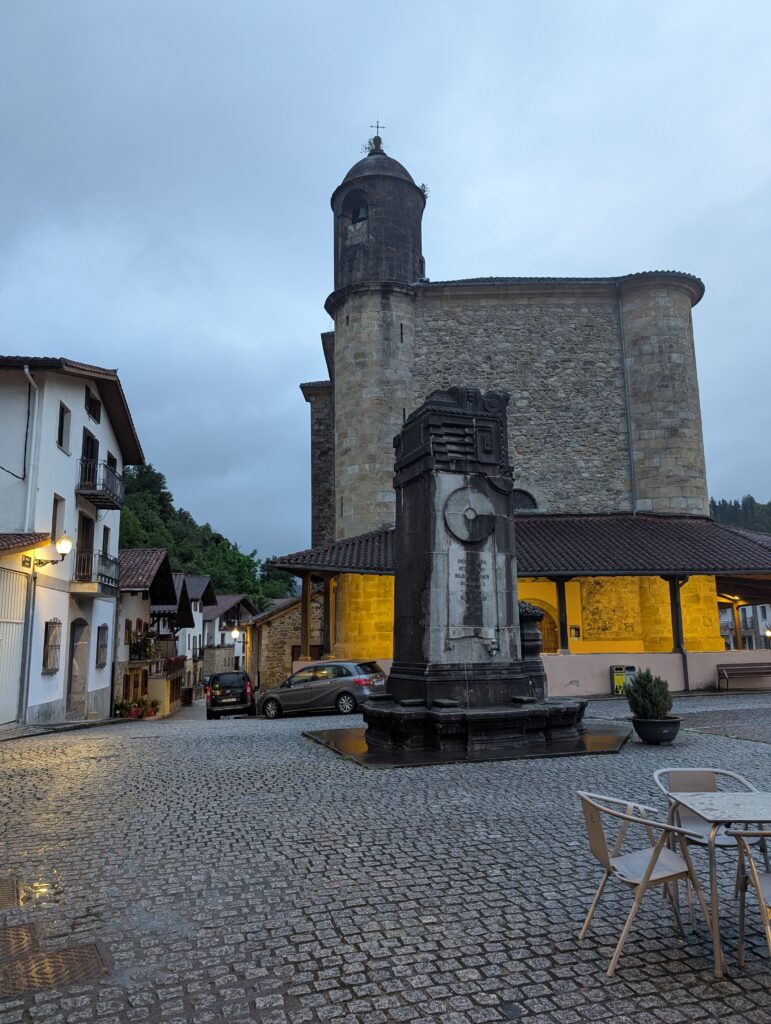
I arrived at Albergue Usandi in Bolibar around 7 p.m., completely drenched. And immediately, I loved the place. It was a small hostel with only a handful of pilgrims staying there. The atmosphere felt warm and welcoming from the moment I walked in. For the first time on this camino, I truly felt part of a little community.
After a hot shower, life became beautiful again. That evening, several of us went out for dinner together. It was my first real community dinner of the camino. We shared burgers, stories, laughter and the kind of easy conversations that only seem to happen among pilgrims. Somehow, despite having spent much of the day in the rain, I felt lighter than I had in days.
The dormitory held eight beds, though only seven of us stayed there that night. The bed was comfortable, the atmosphere relaxed, and for once I slept well.
Lying there, I realised something important. The first days of the camino had been hard. Harder than I had expected. Between the heavy backpack, the computer, the accommodation worries, the online teaching and the physical effort, I had spent much of my energy simply trying to keep everything together.
But somewhere during that rainy day, something shifted. I felt like I had finally found my rhythm. The camino was no longer something I was struggling through. I was walking it. And for the first time since leaving San Sebastián, I felt fully present on my journey.
Day 5: Bolibar to Gerekiz – 26 km
I started the day at 7:30 a.m., leaving Bolibar together with several pilgrims from the hostel. There was the young American couple, the Latvian guy, an older German pilgrim, and a few others I had met the night before. For the first hour or so, we all walked together.
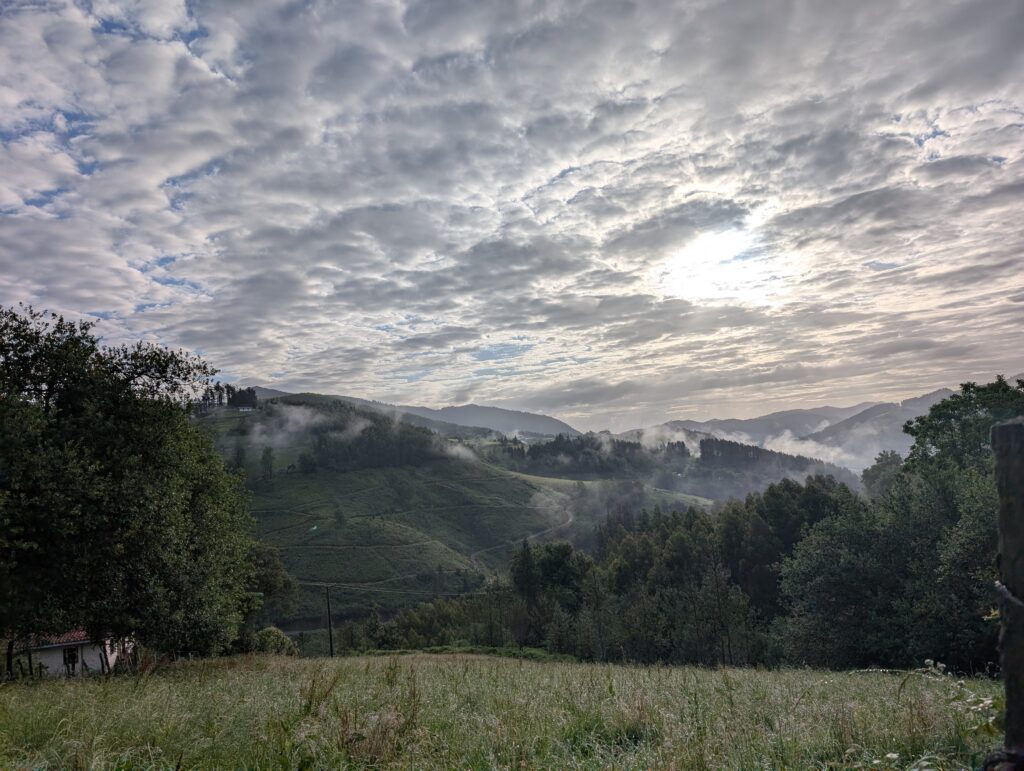
Not long after leaving the village, we reached a beautiful viewpoint overlooking the forest-covered mountains surrounding us. The morning light was soft, and the landscape stretched endlessly in shades of green. It felt like the perfect way to begin the day.
The evening before, the group had recommended an albergue in Gerekiz where they planned to stay. Thanks to them, I had been able to contact the hostel through WhatsApp and reserve a bed. Knowing where I would sleep always made the day feel easier.
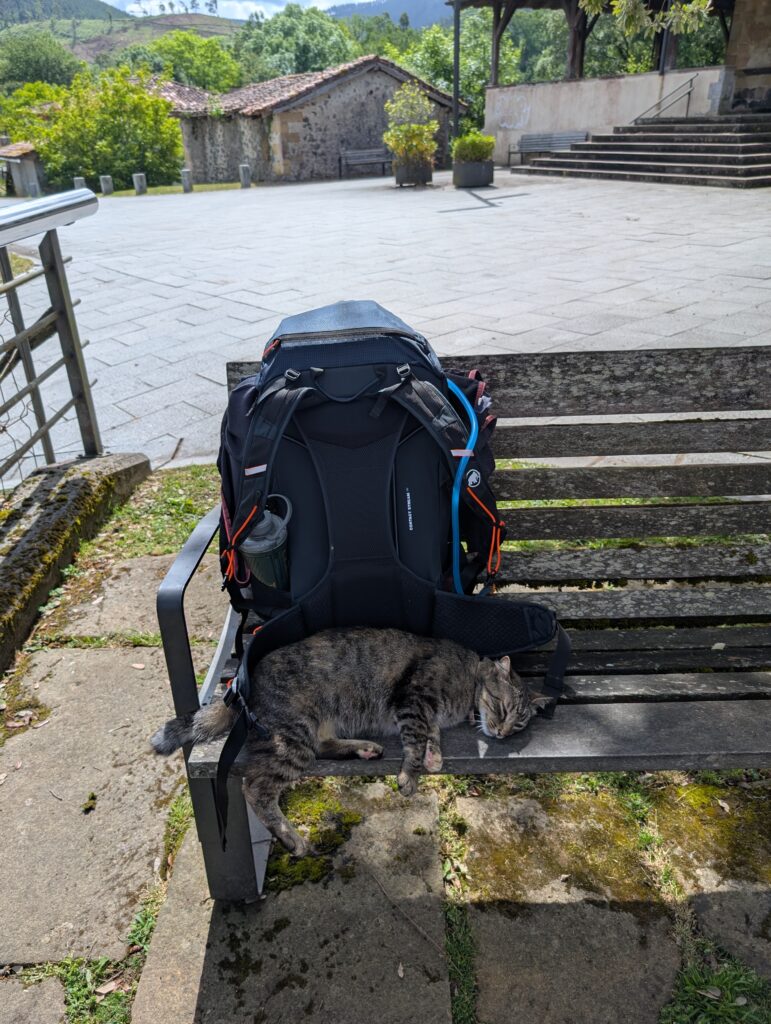
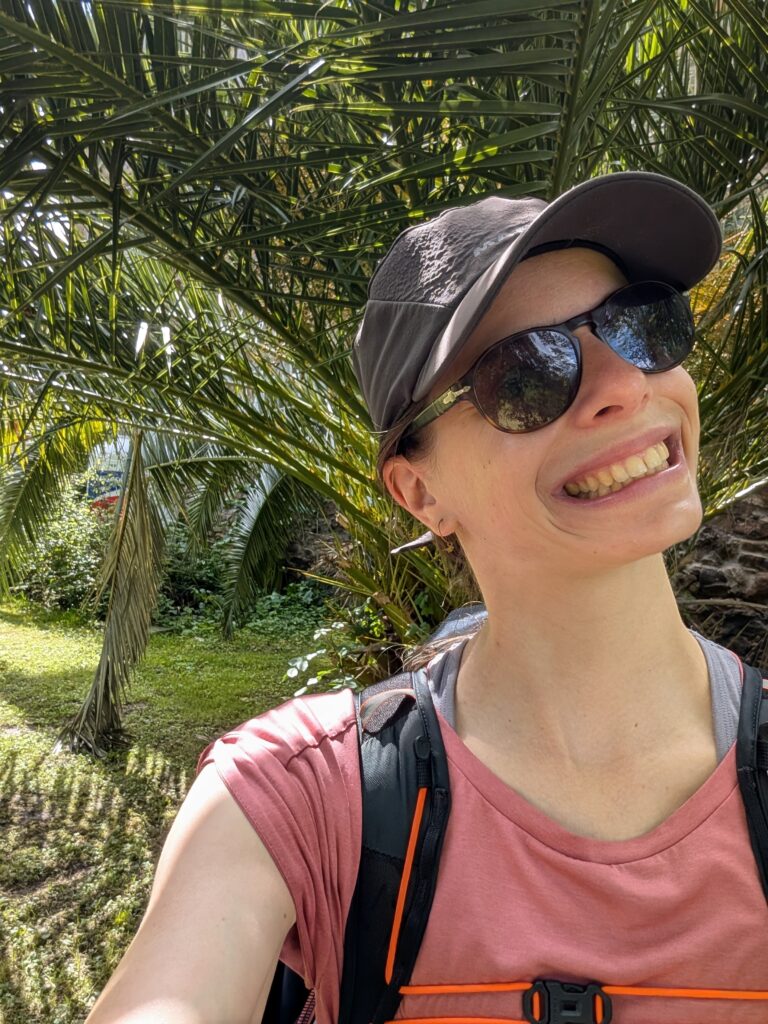
After a quick selfie with the American girl and a donkey we met along the camino, our paces naturally separated. They walked faster than I did, and I preferred listening to my body rather than trying to keep up. Soon, I found myself alone again.
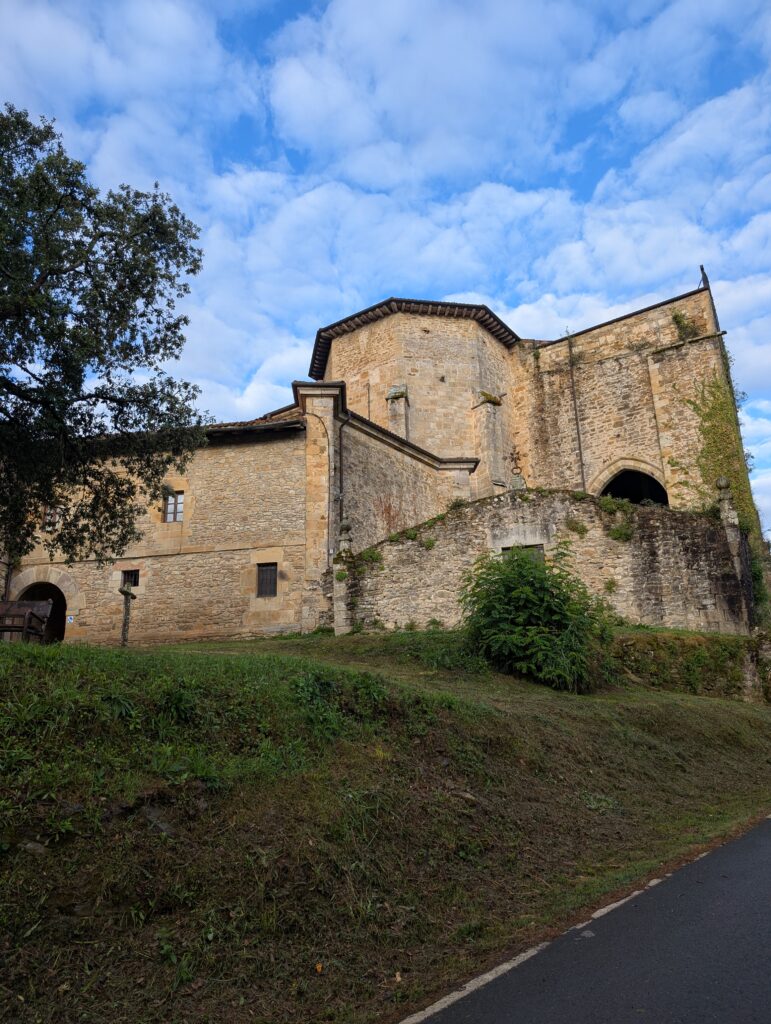
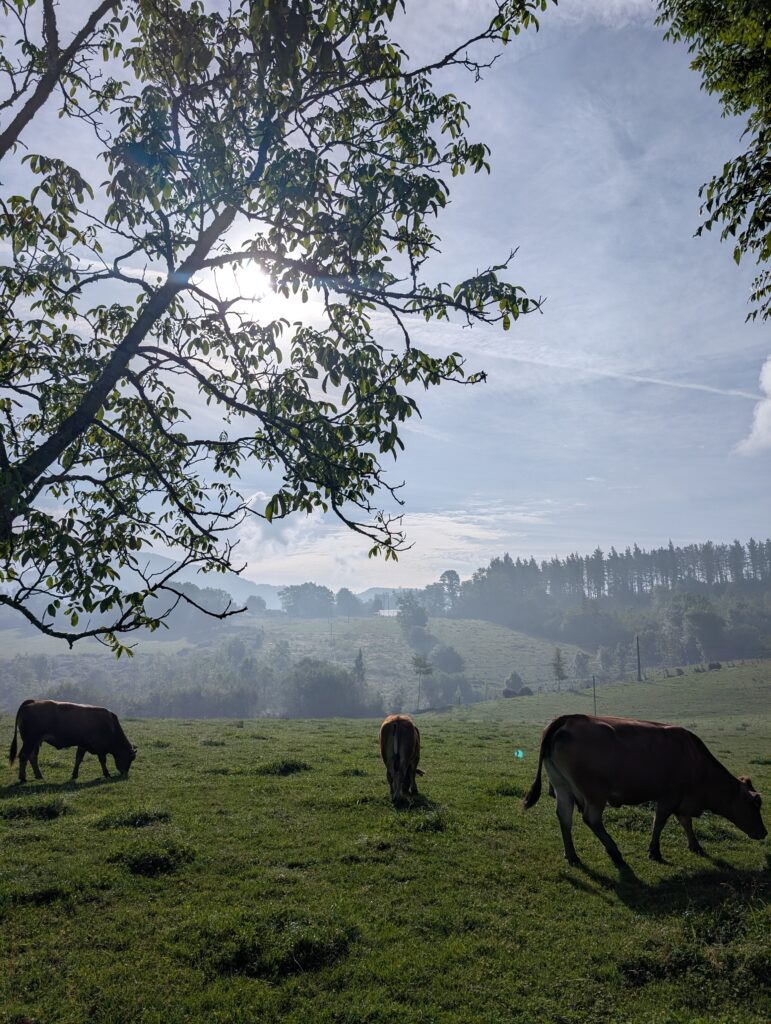
The camino wound through forests and small villages. My backpack, however, seemed heavier than ever. The weight of my computer was becoming increasingly noticeable, and my back was protesting loudly. Every time I took the backpack off, I couldn’t help wondering how much easier this walk would have been without it.
One of the first villages we crossed was Munitibar, a small and picturesque village surrounded by hills. The morning passed quietly, and I stopped for a break in Olabe, enjoying a few moments of rest before continuing.
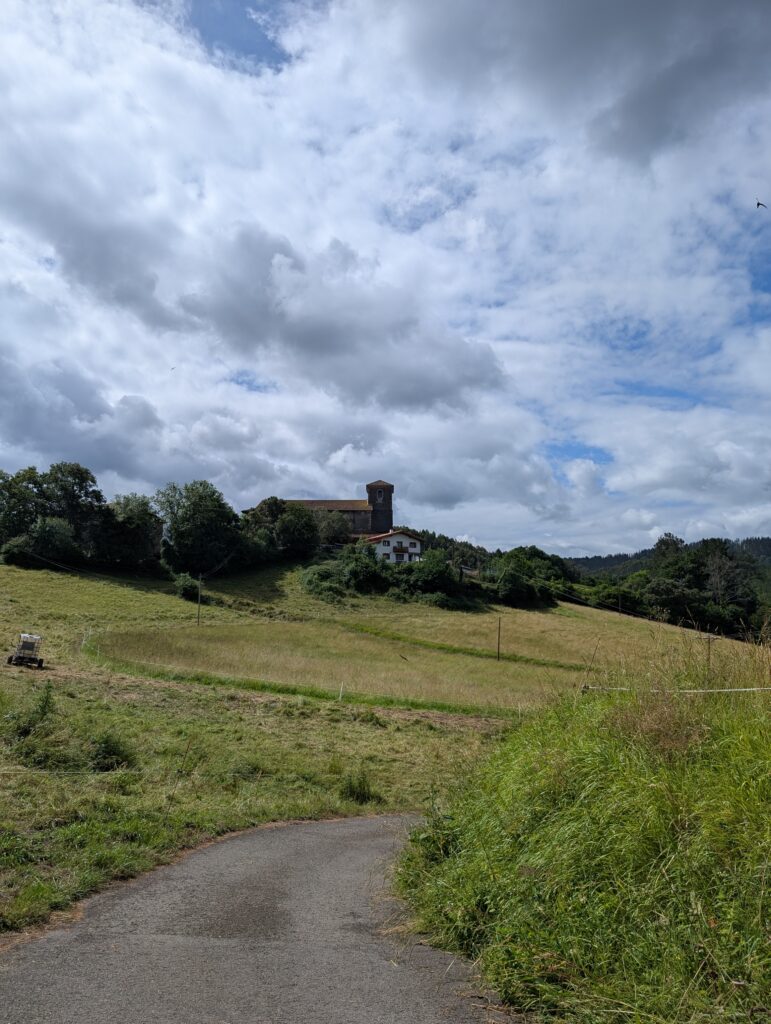
Somewhere between Olabe and Gernika, I caught up with two pilgrims I had met earlier on the camino: an American woman and a man from Israel. We had crossed paths several times over the previous days, and once again, we found ourselves walking together.
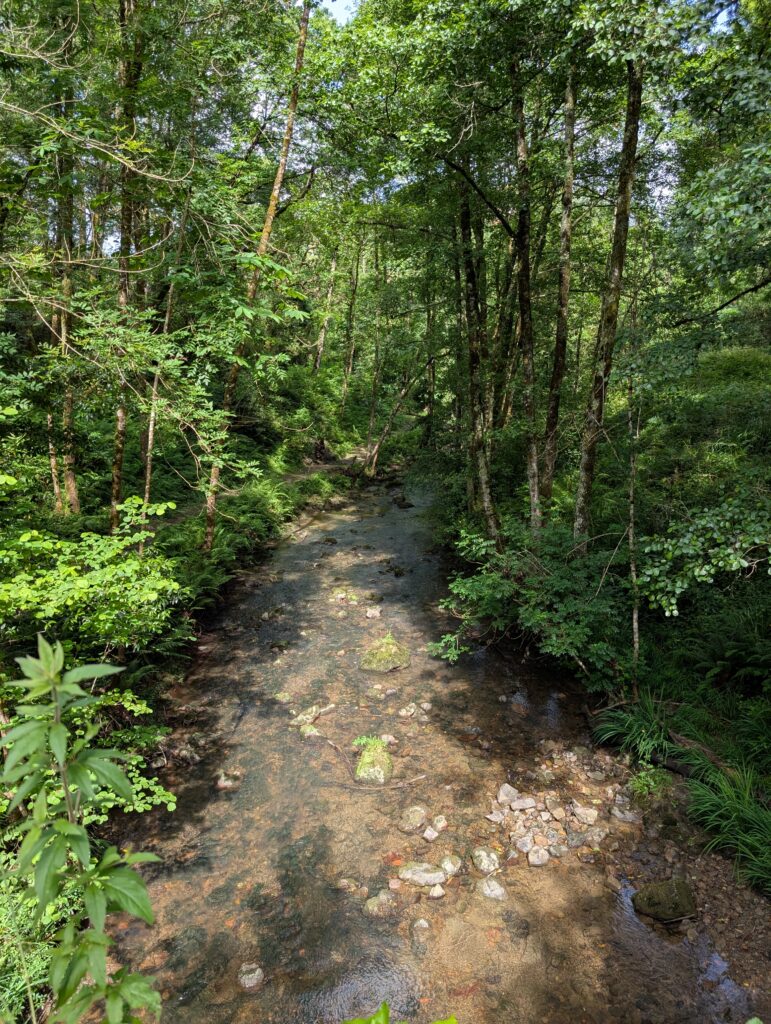
This turned out to be one of my favourite sections of the camino. The trail entered a dense forest, and at one point it felt almost tropical. Wooden staircases climbed through thick vegetation, surrounded by ferns and trees. It reminded me of a jungle. After days of muddy descents and roads, this section felt magical.
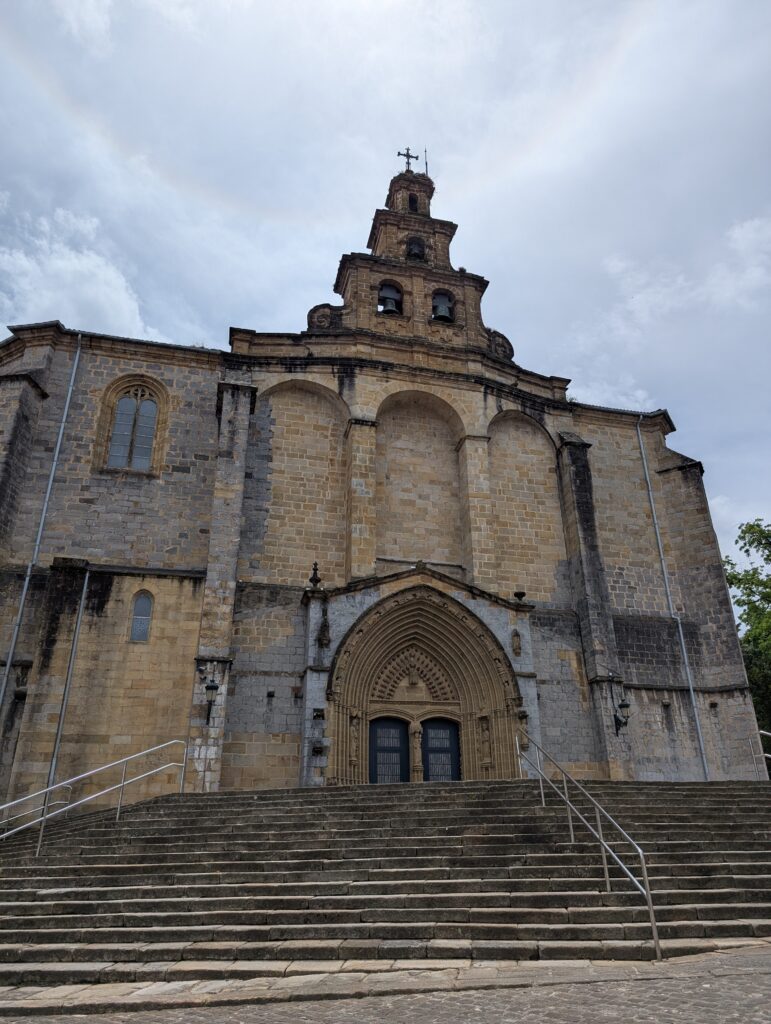
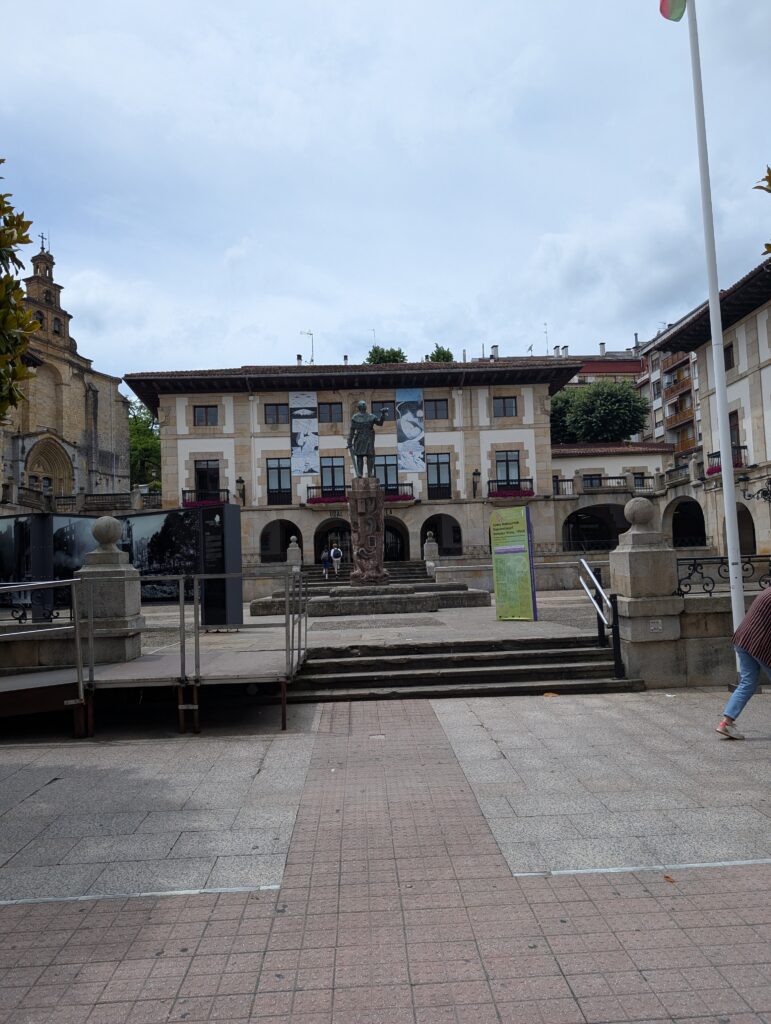
Around 1:30 p.m., we arrived in Gernika. By then, I had already walked about nineteen kilometres, and I was pleasantly surprised by how early it still was. We bought food from a supermarket and found a small park where we could sit, eat, and rest. My feet and my back hurt. But I also felt proud of how far I had come.
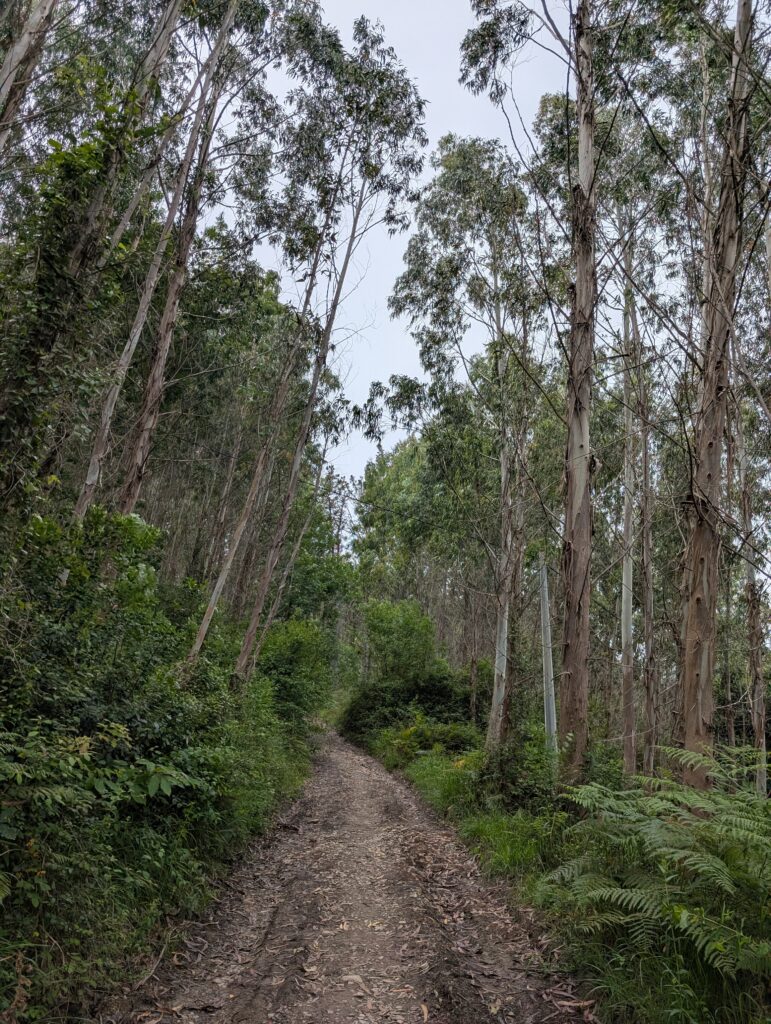
Just before 3 p.m., I set off again. The Israeli pilgrim left with me, but after a short while I needed to stop, and he continued ahead. I was happy to walk alone for a while. The camino leaving Gernika was not easy. The path immediately began climbing again through the forest. The trail was rocky, steep and exposed to the afternoon sun. The temperature had risen significantly compared to the previous day, and the combination of heat, fatigue and accumulated kilometres hit me hard.
This was the first time during the day that I seriously questioned whether I could continue. I started multiplying my breaks. Every few minutes, I would stop, put my backpack on the ground, catch my breath, and continue. The final kilometres felt endless.
Fortunately, other pilgrims regularly passed by, each one offering a simple “buen camino.” Those small words helped more than they probably realised. Little by little, I kept moving forward.
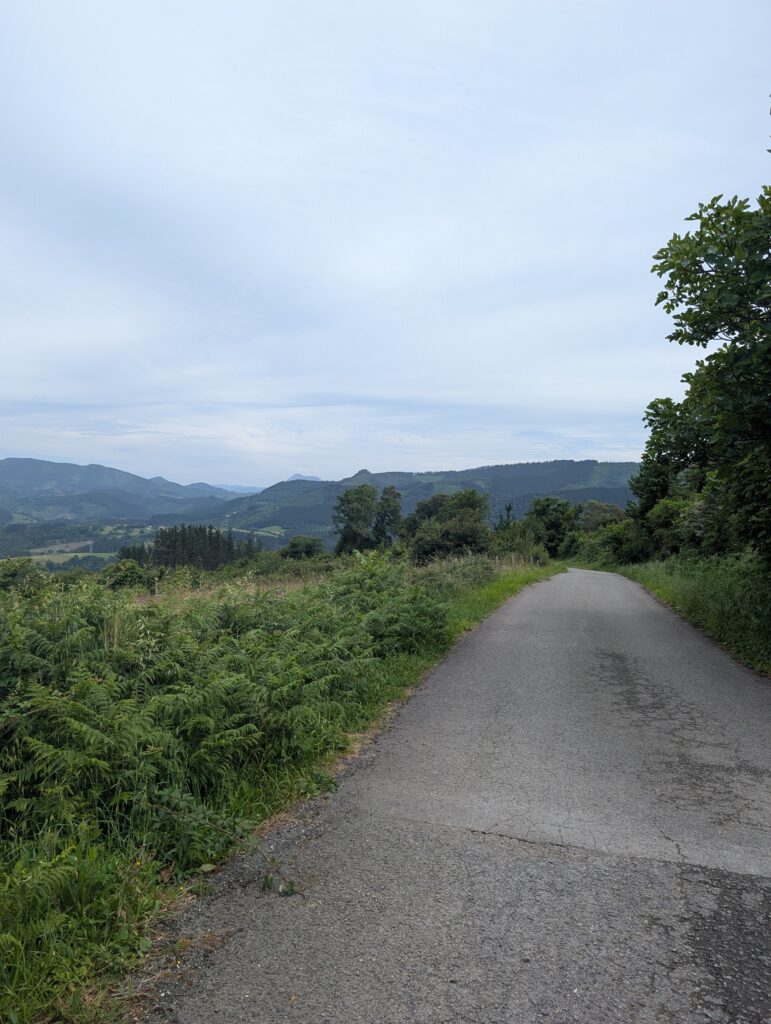
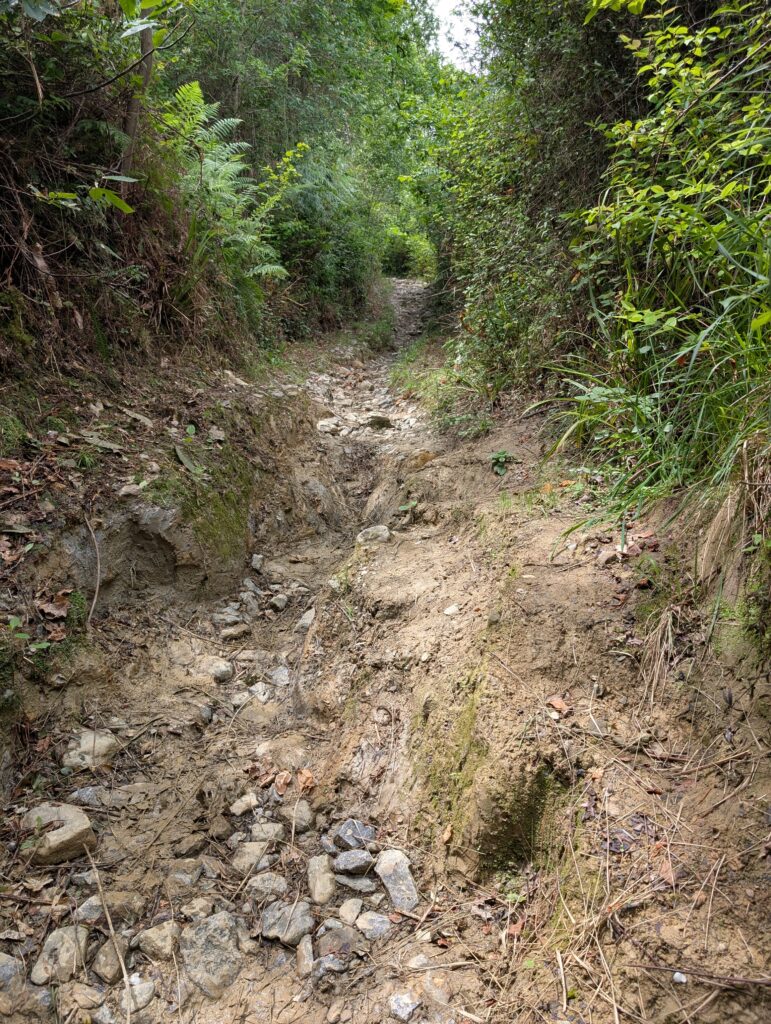
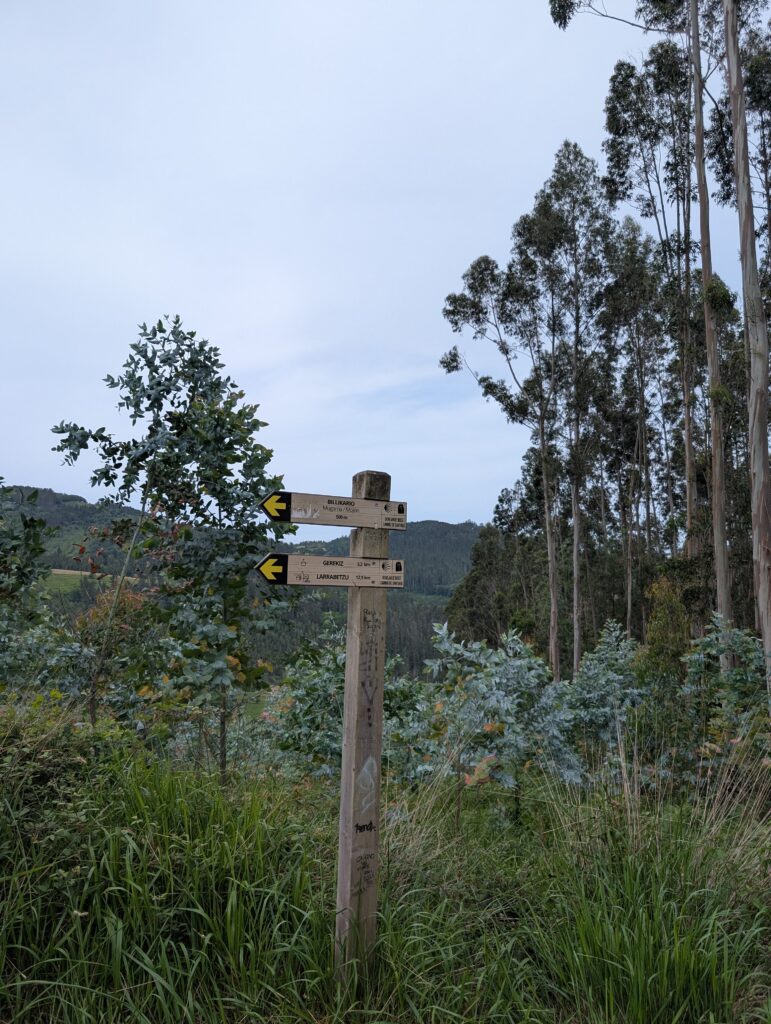
When I finally reached Albergue Gerekiz around 5 p.m., I felt an enormous sense of relief. I had made it. After a shower, I felt like a completely different person. The exhaustion faded, and suddenly I had energy again. Before dinner, I spent some time catching up on work and editing projects I had been postponing for days. It felt good to finally be productive again.
That evening, there was a community dinner. Those communal meals are one of the things I love most about the camino. People from different countries, different ages and completely different lives sit together around the same table, sharing food and stories.
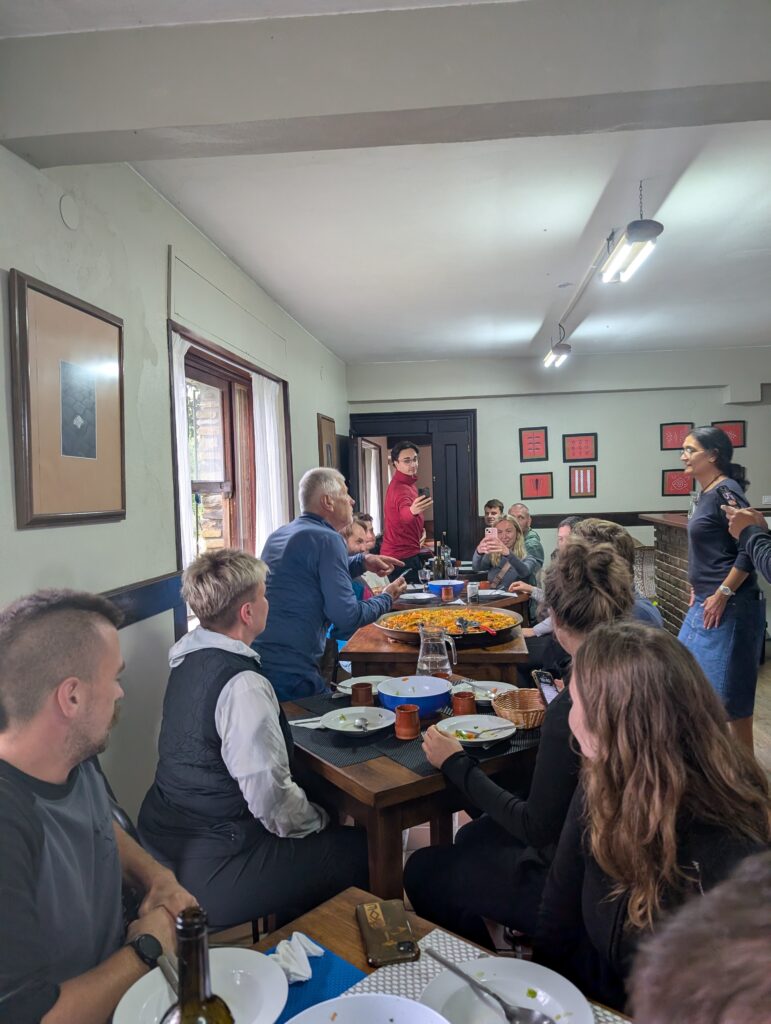
Dinner started with a salad, followed by a vegetarian paella. I sat with two Italian pilgrims and a French pilgrim. One of the Italians was so hungry that he barely spoke. He simply kept getting up for more food while the rest of us laughed and chatted. I can’t blame him. After twenty-six kilometres, we were all hungry. There was also wine—the only time I drank wine during the entire camino. The atmosphere was wonderful.
After dinner, many of us stayed together chatting until around nine o’clock. Earlier in the evening, the hostel owner had mentioned the possibility of organising a yoga class if enough pilgrims were interested. Unfortunately, there weren’t enough participants. It was a shame because my body desperately needed stretching. A massage would have been even better.
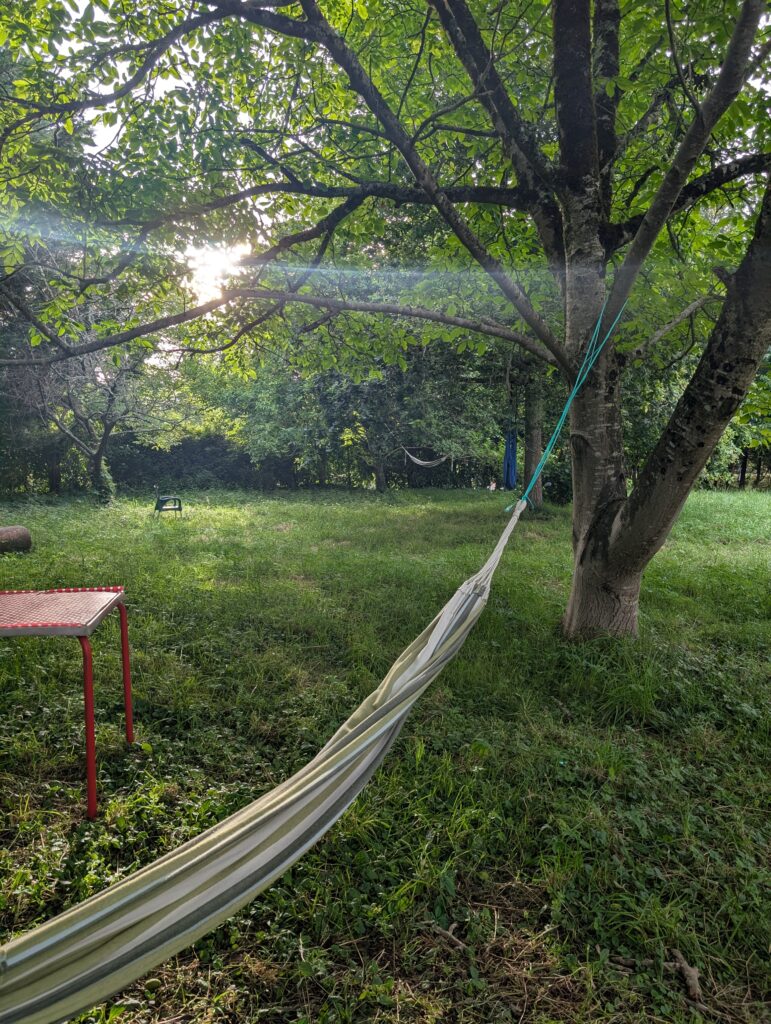
The albergue itself was beautiful, with a garden and several hammocks where pilgrims could relax. Later that night, I spent some time reading and doing a bit of research for the following day before finally going to bed around 11 p.m.
Unfortunately, sleep didn’t come easily. Even with my headphones on, one pilgrim’s snoring managed to overpower everything. There were eight of us in the dormitory, and one person’s snoring can sometimes feel louder than an entire room. Laying there, I was thinking that despite the aching feet, the heavy backpack, and the lack of sleep, I was genuinely enjoying myself. The camino was no longer about reaching the next destination. It had become about the people I met, the forests I crossed, the conversations I shared, and the simple satisfaction of putting one foot in front of the other.
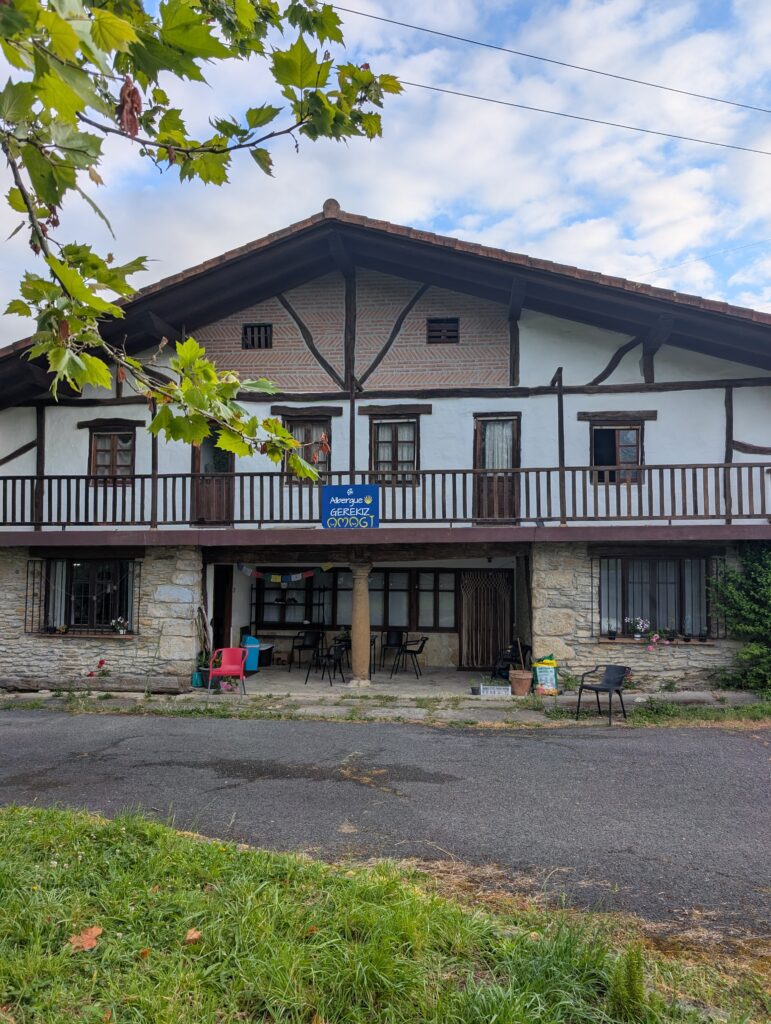
Day 6: Gerekiz to Bilbao – 25.5 km
My final day on the camino began at 8 a.m. I had slept badly once again, thanks to a particularly talented snorer in the dormitory, but strangely enough, I didn’t mind too much.
As I packed my backpack, I felt a mixture of excitement and reluctance. I was ready to reach Bilbao, but I wasn’t quite ready for the camino to end.
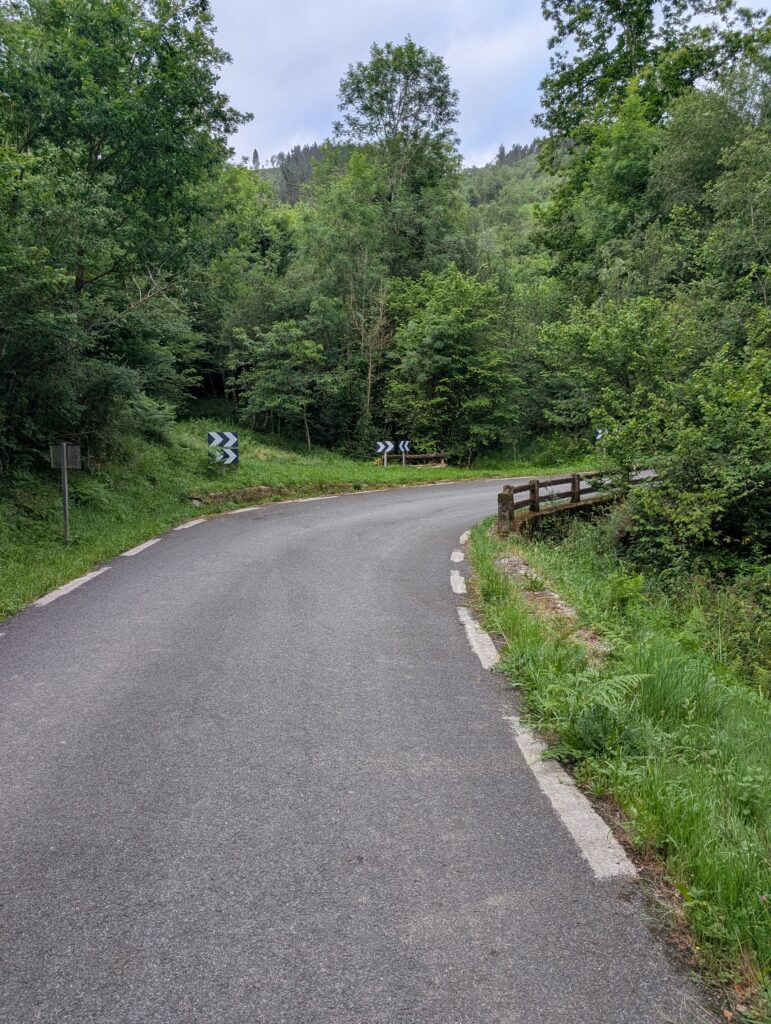
The first ten kilometres led towards Larrabetzu. To be honest, I didn’t enjoy this part very much. Much of the route followed roads. After several days walking through forests, hills and small Basque villages, it felt like an abrupt return to reality.
Still, there was something pleasant about walking alone. My thoughts drifted from one topic to another. Unlike the previous days, I wasn’t worried about finding accommodation, planning the next stage or checking hostel availability. I could simply walk.
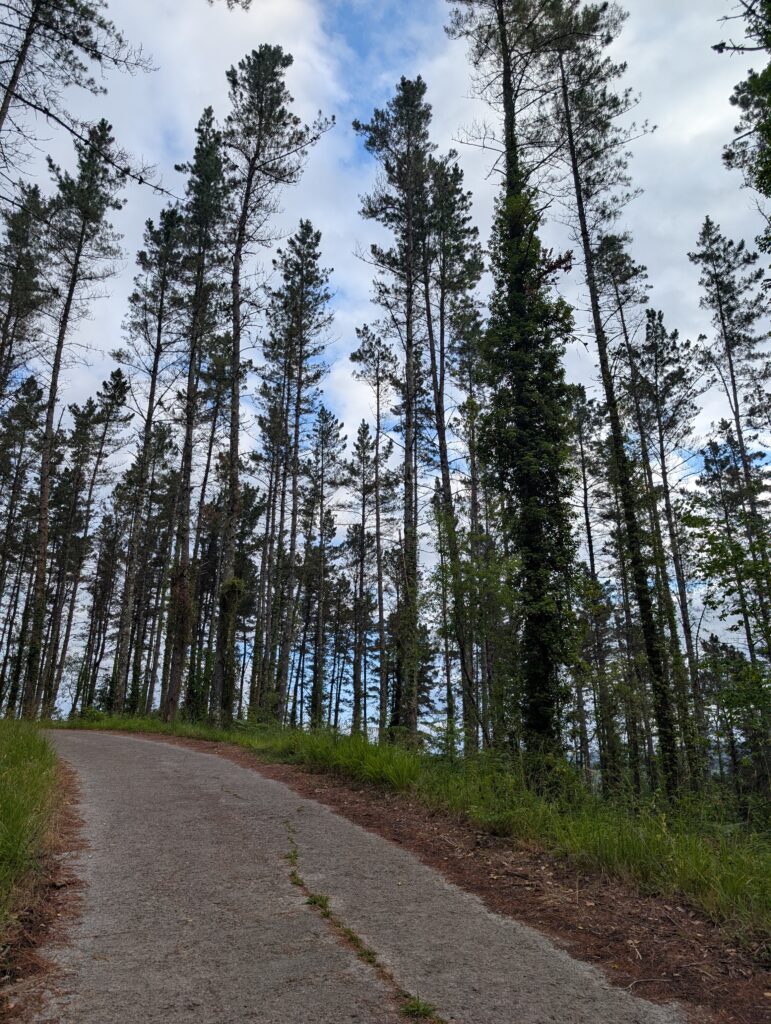
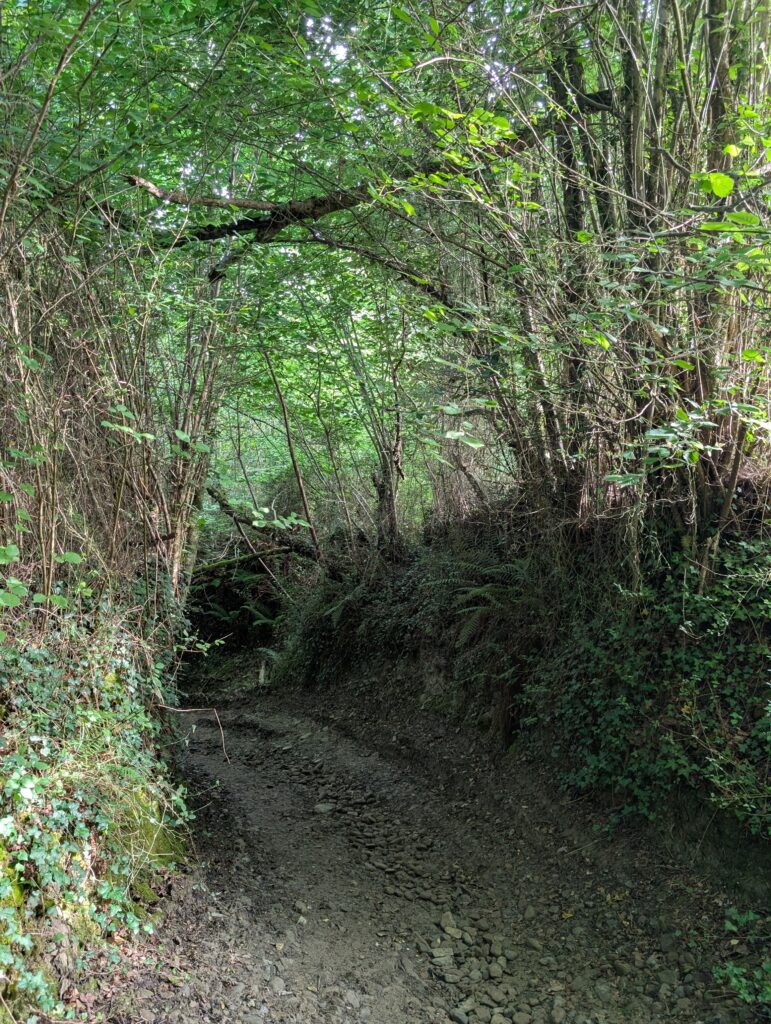
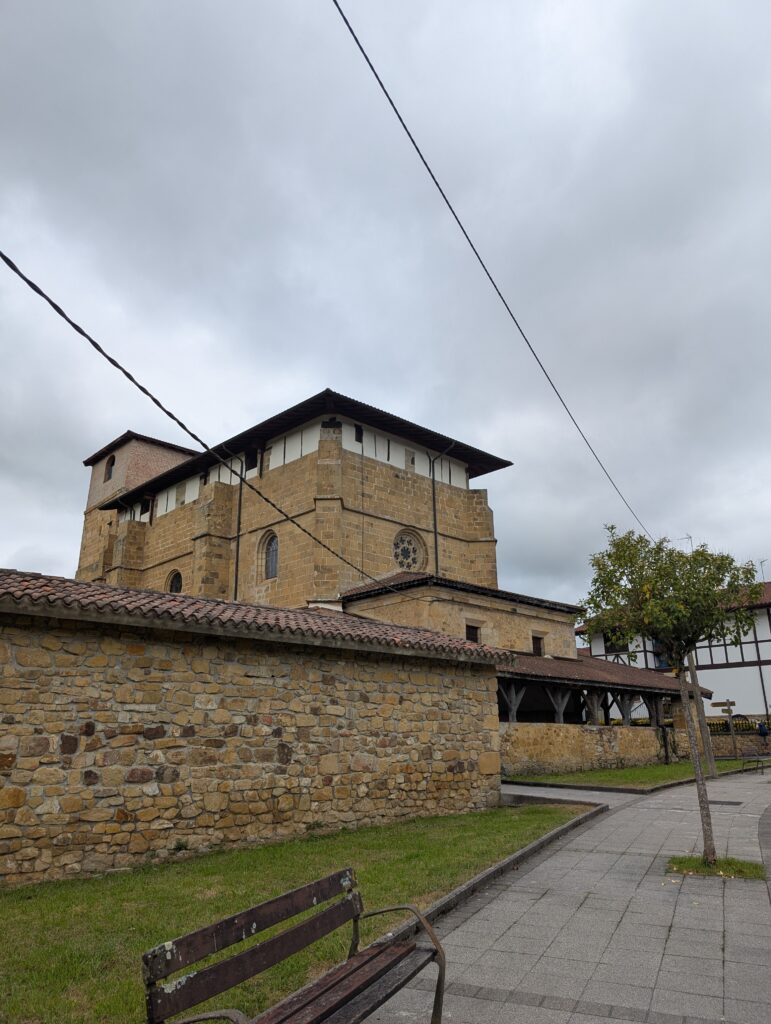
Shortly before reaching Larrabetzu, one of the Italian pilgrims from the previous evening caught up with me. We walked together for a while and eventually stopped at a café for a drink and something to eat. As often happens on the camino, we ran into familiar faces. The group that had left earlier from the hostel was already there, preparing to continue their journey.
Around 10:45 a.m., I resumed walking. The Italian pilgrim stayed behind for a cigarette, and I continued alone. The landscape didn’t improve much. Village after village, road after road. Small patches of forest appeared occasionally, but most of the day felt surprisingly urban compared to the stages before. Lezama, Zamudio, industrial buildings, traffic, bridges—none of it resembled the camino I had been walking all week.
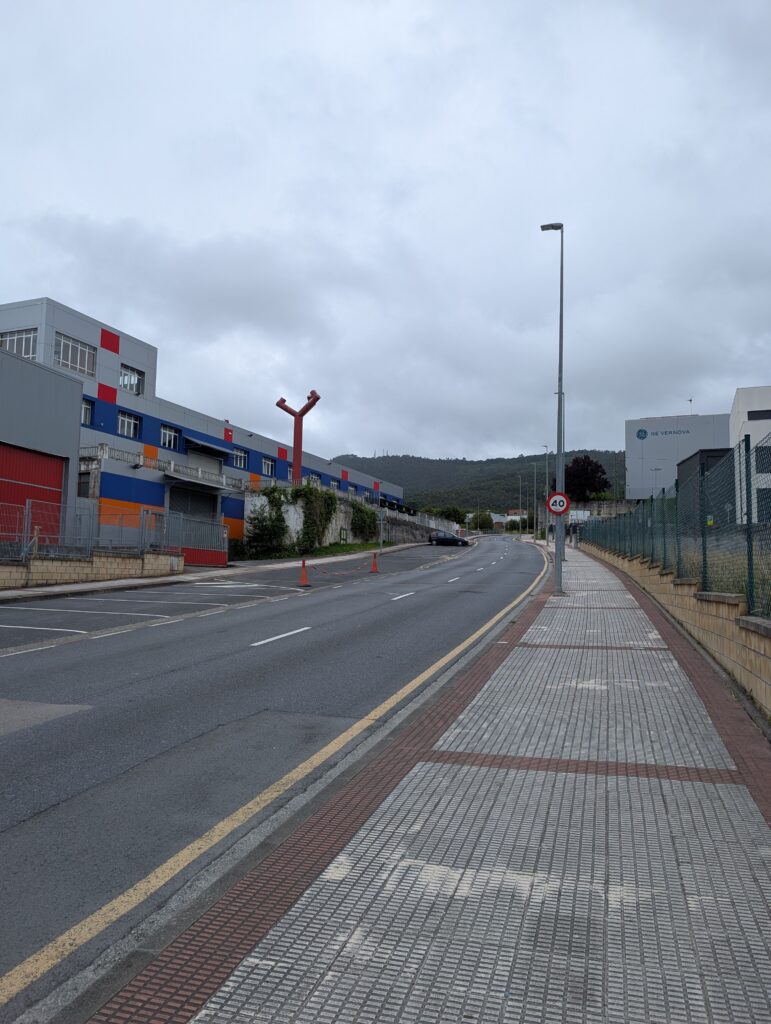
My back was hurting again. The weight of the backpack seemed heavier than ever. Several times, I had to stop simply to take it off for a few minutes. The sky threatened rain, but fortunately it never arrived.
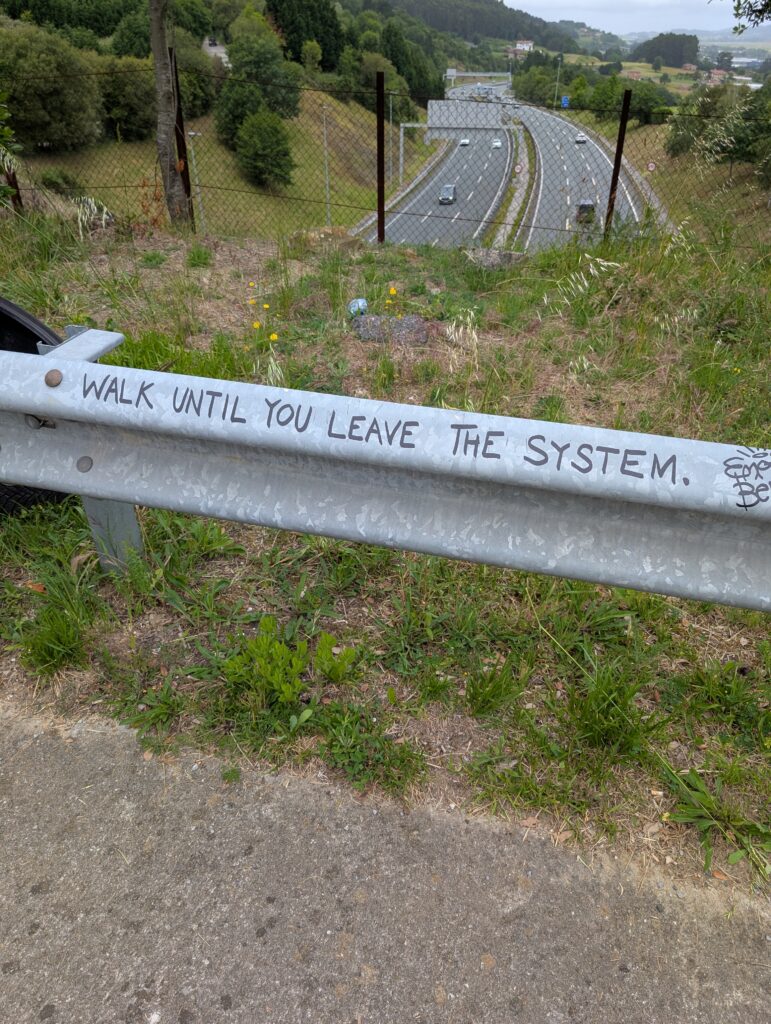
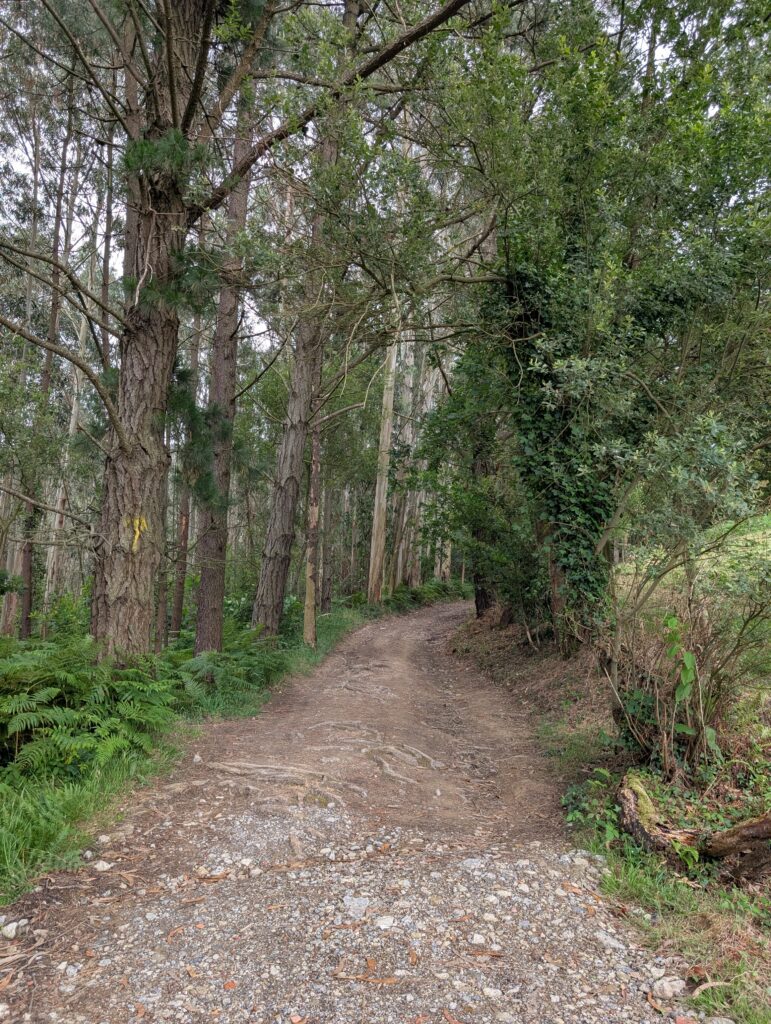
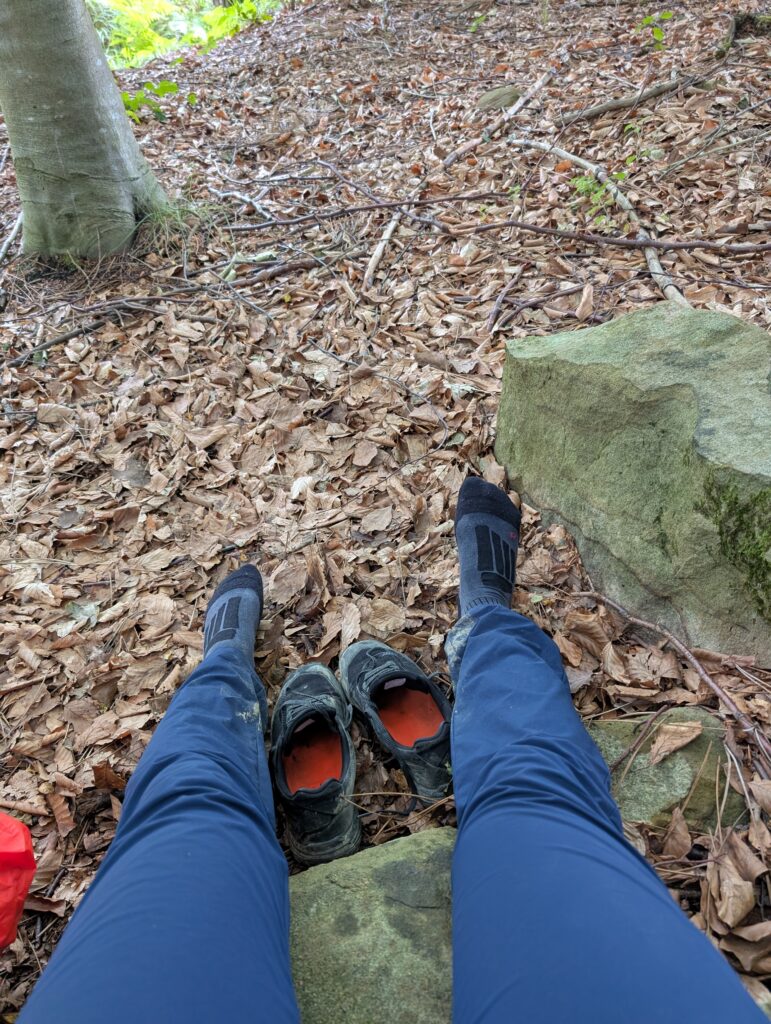
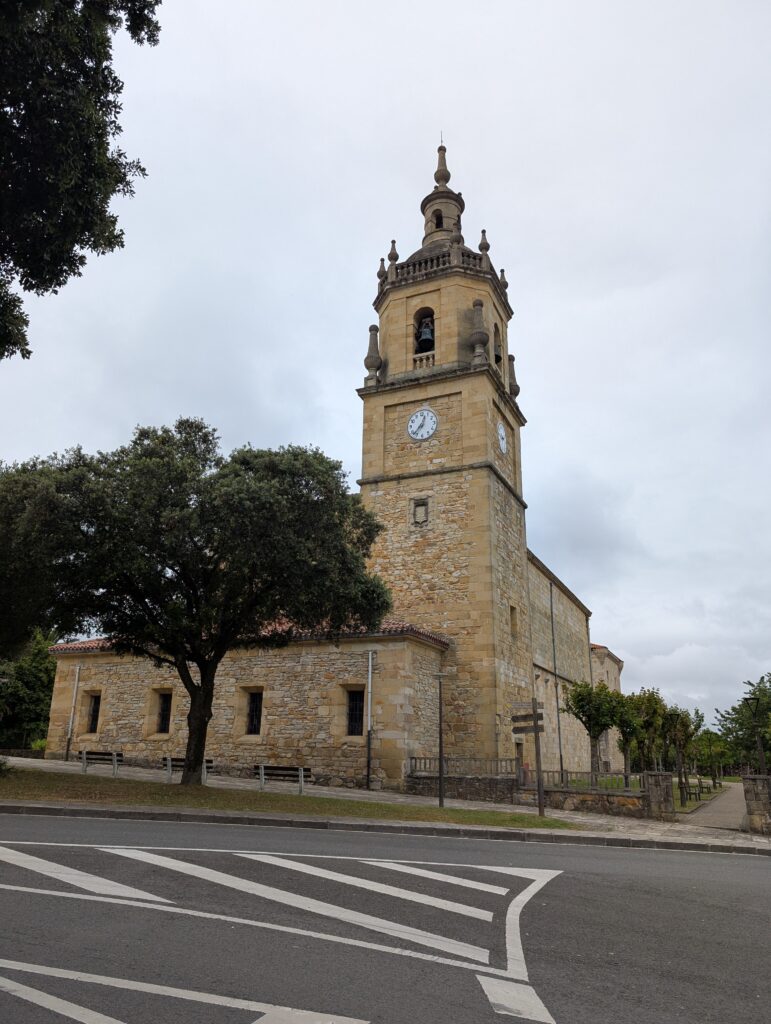
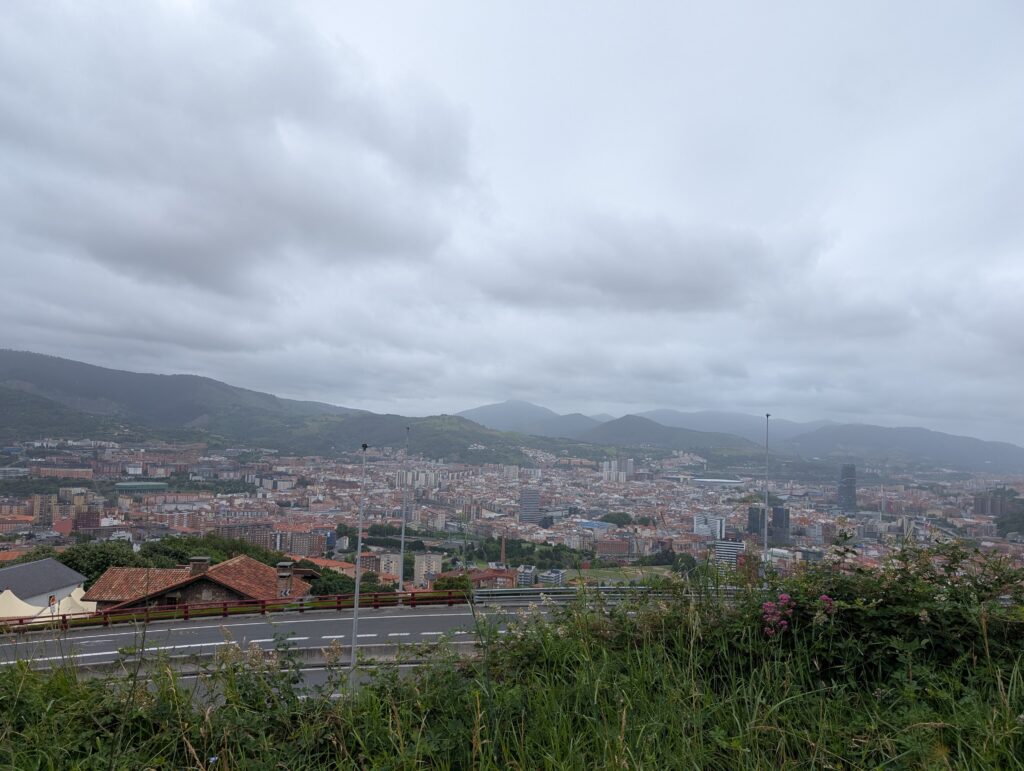
Somewhere before the final climb, the French pilgrim and one of the Italian pilgrims passed me again. We walked together for part of the ascent and eventually reached a viewpoint overlooking Bilbao. The city stretched out below us. After a week spent in forests, villages and mountain paths, the sight felt almost overwhelming. None of us seemed particularly eager to descend.
The French pilgrim and I sit there for a while, looking at the city in silence. We both admitted that we weren’t quite ready to return to busy streets, traffic and crowds. The camino creates its own rhythm. And once you adapt to it, normal life feels strangely fast.
Around 2:30 p.m., I finally began the descent into Bilbao. There was only about half an hour left.
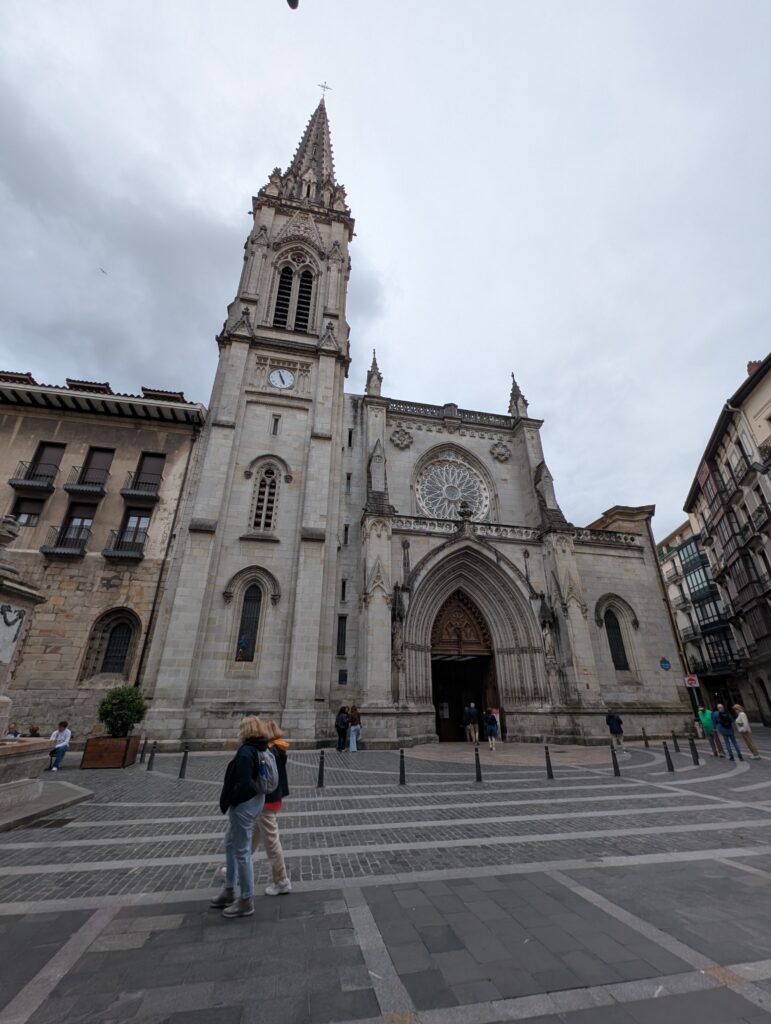
I wanted to find the cathedral to get my stamp, have lunch and a good coffee and finally retrieve my paraglider from the hostel where I had stored it.
As I entered the city, I passed by a newly opened municipal albergue. Outside, a familiar group of pilgrims stood waiting. The camino is full of reunions. Among them was the Czech pilgrim who had helped me secure a bed in Deba. We laughed when we realised that despite walking only five kilometres on Day 3, I had somehow caught up with him again. It was nice seeing familiar faces one last time.
After saying goodbye, I continued towards the cathedral. On the way, I spotted a Peruvian restaurant and couldn’t resist. I ordered a ceviche and sat down to enjoy it slowly. It felt like a small celebration.
My camino was ending. I reached the cathedral, collected my final stamp, and then found a café just behind it. Sitting there with a coffee in hand, I watched people come and go and realised that the camino was over. Not my trip. Only the camino itself.
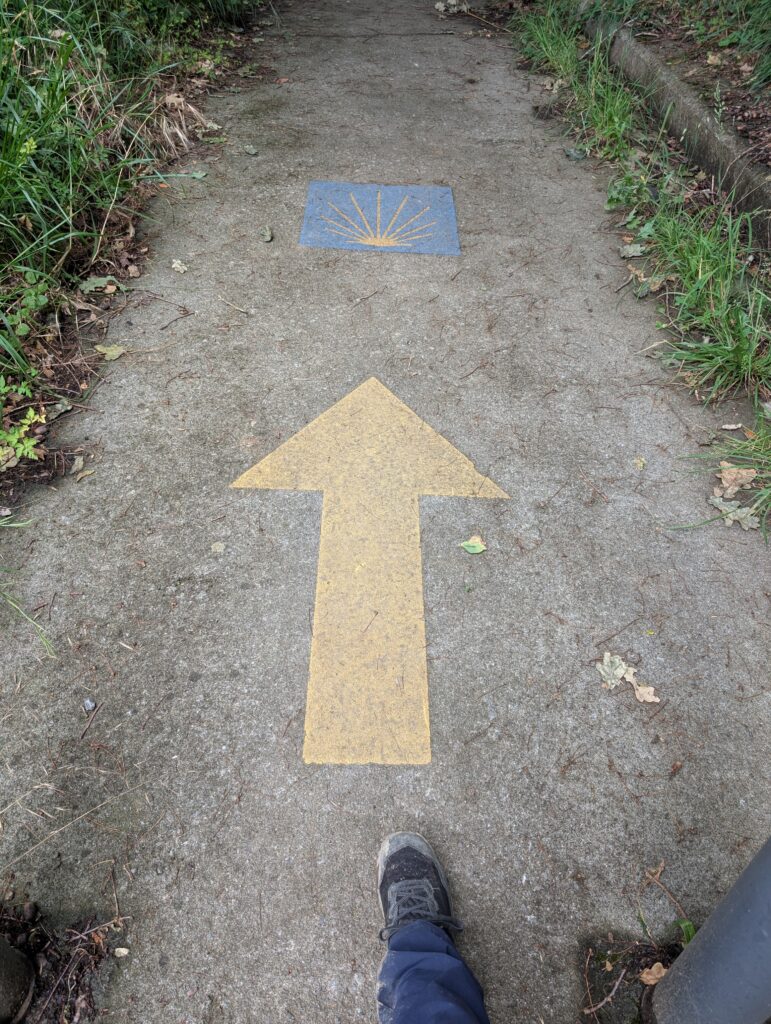
There would be no more pilgrim dormitories, no more searching for yellow arrows, no more “buen camino” greetings from strangers passing by. The chapter was closing.
Around 6 p.m., I arrived at the hostel where I had left my paraglider a week earlier. It felt strange to see it again. For six days, I had walked through the Basque Country carrying only what I needed. Now another adventure was waiting. I would head to Getxo, where I would spend the next two nights and hopefully fly again over the cliffs of Sopela.
Final reflections
Looking back, this camino had been very different from the others I had walked. Less introspective at first. For much of the journey, my mind had been occupied with accommodation, online classes, Wi-Fi connections, and the constant challenge of carrying a computer on my back. Being a digital pilgrim is not always easy.
Part of me knows I would have enjoyed the camino more without the responsibility of work. The backpack would have been lighter, my mind quieter. And yet, I had done it. I had managed to combine both worlds.
I had walked over 120 kilometres through the Basque Country, taught classes, met wonderful people, shared meals with pilgrims from all over the world, and still found moments of peace among forests, mountains and coastal cliffs.
The first days had been difficult. Really difficult. But somewhere around day 4, I had found my rhythm. I had found myself again.
As I left Bilbao that evening, I already knew one thing: This wasn’t the end. The following year, I would continue from I had stopped. The camino del Norte is waiting. And so am I.